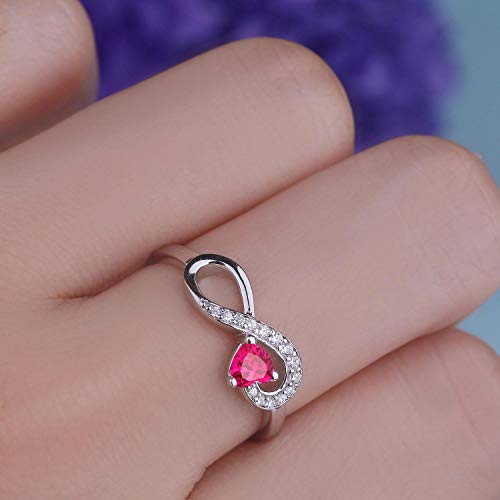
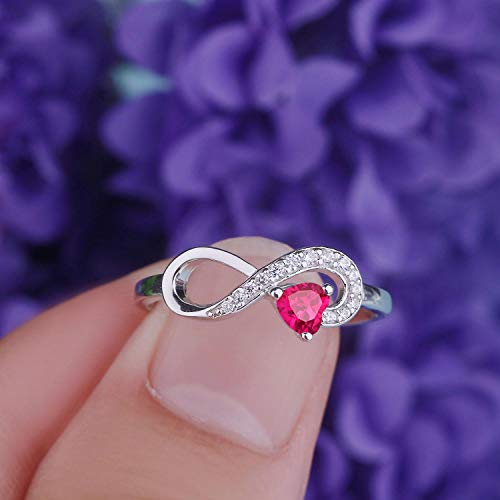
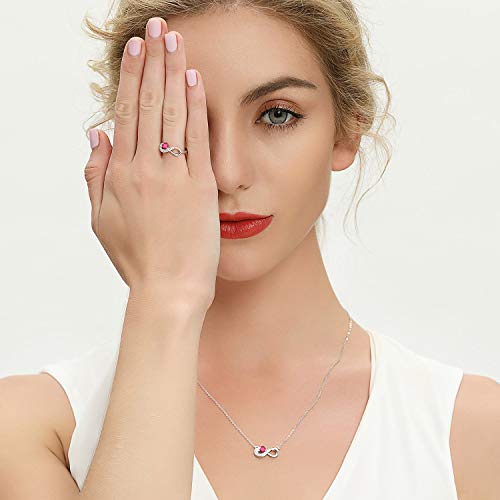
The foundation of any great ring is the metal it is crafted from. When browsing high-quality women's rings, you will frequently encounter options like sterling silver, gold plating, or gold vermeil. It is vital to understand the difference to ensure longevity. Sterling silver is a classic, durable choice, but it does require occasional polishing to prevent tarnishing. If you are looking for a more luxurious finish, gold vermeil—which consists of a thick layer of gold over sterling silver—offers a much more substantial and long-lasting luster than standard gold plating. For daily wear, consider how the metal reacts to moisture and skin oils. Choosing higher-quality base metals will prevent the dreaded green residue or rapid discoloration that often plagues budget jewelry.
Evaluate Stone Setting and Clarity
Whether the ring features cubic zirconia, lab-grown crystals, or semi-precious gemstones, the way these elements are secured is a primary indicator of craftsmanship. Look closely at the 'prongs' or 'bezel' settings. A well-made ring will have smooth, even prongs that hold the stone firmly in place without snagging on delicate fabrics like silk or lace. A bezel setting, where the metal wraps entirely around the edge of the stone, offers the highest level of security and a modern, sleek look. If you are choosing a ring with faceted stones, observe how they catch the light. High-quality stones should exhibit clear brilliance without visible inclusions or cloudy patches that detract from the overall sparkle.
Consider Style Versatility and Stackability
Modern jewelry trends have shifted toward 'curated hands,' meaning many women prefer purchasing multiple rings that can be worn together. When selecting a ring, ask yourself if it is a 'statement piece' or a 'foundation piece.' A statement ring usually features a larger central stone or an intricate, wide band designed to be the focal point of your outfit. Conversely, foundation pieces are typically thinner, more minimalist bands that serve as the perfect accompaniment to larger rings. If you enjoy layering, look for rings with a low profile—meaning they don't sit too high off the finger—to allow them to nestle closely against other bands without feeling bulky or uncomfortable.
Size Accuracy and Comfort Fit
Nothing ruins the elegance of a beautiful ring faster than a poor fit. A ring that is too tight can be painful and restrict circulation, while one that is too loose risks being lost. Because finger circumference can change based on temperature, time of day, or even salt intake, aim for a fit that feels secure but allows for slight movement. Additionally, pay attention to the 'comfort fit' of the band. High-quality rings often feature a slightly rounded interior, which makes the ring slide over the knuckle more easily and sit more comfortably against the skin during long hours of wear. Always check the sizing charts provided and, if possible, measure your finger at the end of the day when it is at its largest.
The Logic of Your Selection
To make the best decision, align your purchase with your lifestyle. If you have an active lifestyle or work with your hands, prioritize durability and low-profile settings that won't catch on things. If you are purchasing for special occasions, prioritize brilliance and intricate detailing. By focusing on metal quality, setting security, and stylistic versatility, you can select a ring that feels both personal and permanent.