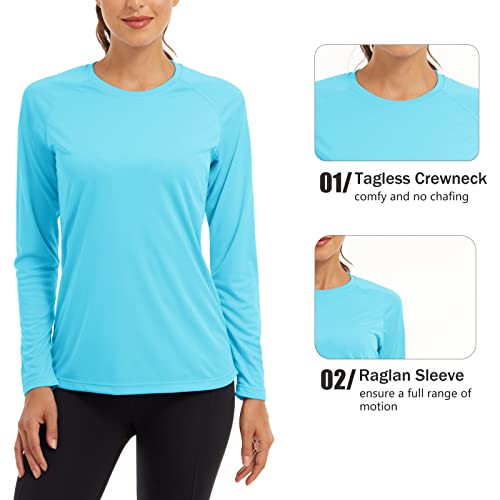
Prioritize Moisture Management and Fabric Composition
The most critical factor in any running shirt is its ability to move sweat away from your skin. When browsing Magcomsen options, look for synthetic blends—typically polyester and spandex—rather than heavy cotton. Cotton is a runner's enemy. It absorbs moisture, becomes heavy, and stays wet, which can lead to skin irritation and rapid cooling during descents or wind.
High-quality technical shirts utilize capillary action to pull perspiration to the outer layer of the fabric where it can evaporate quickly. If you are a heavy sweater, prioritize shirts labeled with enhanced breathability or micro-perforated textures. These small architectural details in the weave allow for superior airflow, preventing that 'sweltering' feeling during long-distance efforts.
Evaluate the Fit and Silhouette
Women's running apparel requires a nuanced approach to fit. A shirt that is too loose will flap against your skin, causing friction and potential chafing at the armpits and waist. Conversely, a shirt that is too tight can restrict your lung expansion and impede your range of motion during arm swings.
Look for 'athletic cuts' or 'contoured fits' within the collection. These are designed to follow the female silhouette, providing a snug feel that stays in place without feeling restrictive. Pay close attention to the shoulder seams. They should sit naturally on your frame to prevent pulling when you pump your arms. If you prefer a layering piece for colder climates, consider a slightly relaxed fit that allows for a lightweight base layer underneath without sacrificing aerodynamics.
Consider Thermal Regulation and Seasonal Utility
Not all running shirts are created equal when it comes to temperature control. Your choice should be dictated by your training environment. For summer training or high-intensity intervals, seek out lightweight, ultra-thin fabrics with mesh ventilation panels, often located in high-heat zones like the back or underarms.
For transitional seasons, look for shirts that offer a balance of compression and breathability. Some Magcomsen styles provide a subtle compression effect, which can help with muscle stability and blood flow, making them excellent for recovery runs or cooler morning sessions. If you are training in unpredictable weather, a shirt that combines moisture-wicking properties with a slightly denser knit can provide enough warmth to prevent chills without causing overheating.
Check for Functional Details
Small design elements can significantly impact your running experience. Examine the seams. Flatlock stitching is the gold standard for running apparel because it sits flush against the skin, virtually eliminating the risk of chafing. Additionally, consider the neckline. Crew necks are classic and versatile, while V-necks can offer a bit more ventilation and a less restrictive feel around the collarbone.
Finally, think about visibility and durability. While many runners prefer neutral tones, if you frequently run at dawn or dusk, look for shirts that incorporate reflective elements or brighter colorways to enhance safety. A well-constructed shirt should maintain its shape and color through dozens of wash cycles, so look for high-quality stitching around the hem and cuffs to ensure longevity.