Understanding the Anatomical Fit
The most critical factor when shopping for Topo women's running shoes is understanding their signature fit profile. Most brands use a 'last' (the foot shape the shoe is built around) that narrows at the toes. Topo does the opposite. Their shoes feature a spacious forefoot designed to let your toes spread out upon impact, which can improve balance and reduce the risk of bunions or neuromas. However, this is not a 'wide shoe' in the traditional sense. While the toe box is roomy, the midfoot is typically designed to be snug and secure. When trying on a pair, ensure your heel is locked in and your arch feels supported, even if your toes have plenty of room to move.
Zero Drop vs. Low Drop Profiles
A major decision point in the Topo lineup is the heel-to-toe drop. Many of their models lean toward a 'natural running' profile, which means a lower drop (the difference in height between the heel and the forefoot). A lower drop encourages a midfoot or forefoot strike, which can be more efficient and reduce impact on the knee. However, if you are transitioning from a traditional high-drop shoe, jumping straight into a zero-drop or near-zero-drop model can lead to Achilles tendon strain. Look for models that offer a slight cushion and a moderate drop if you are new to the brand, or embrace the lower drop profiles if you are looking to strengthen your lower leg musculature through a more natural gait.
Selecting Based on Terrain and Cushioning
Topos categorize their footwear into distinct functional groups: road, trail, and lightweight trainers. For road running, look for models with higher-density foam midsoles that provide energy return and impact protection for pavement. If your runs take you off the beaten path, prioritize their trail series, which features aggressive lug patterns for traction on mud and loose dirt, along with reinforced toe caps to protect against rocks. You should also consider the level of 'stack height'—the amount of material between your foot and the ground. High-stack models offer a plush, maximalist feel for long distances, while lower-stack models provide better ground feel and responsiveness for speed work.
Durability and Material Considerations
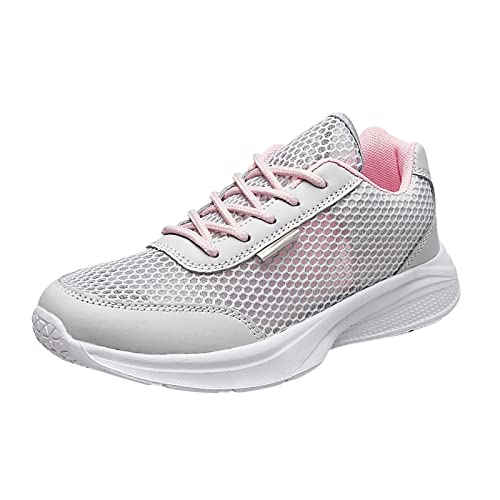
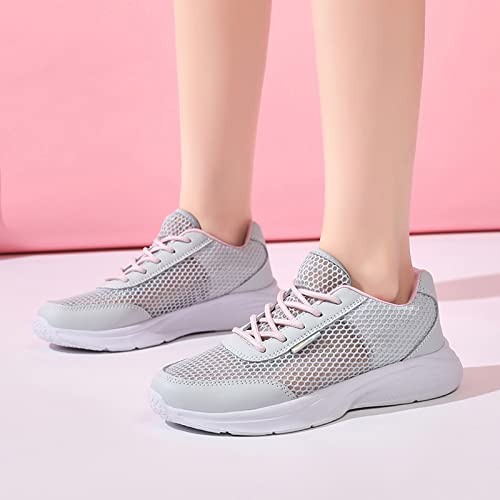
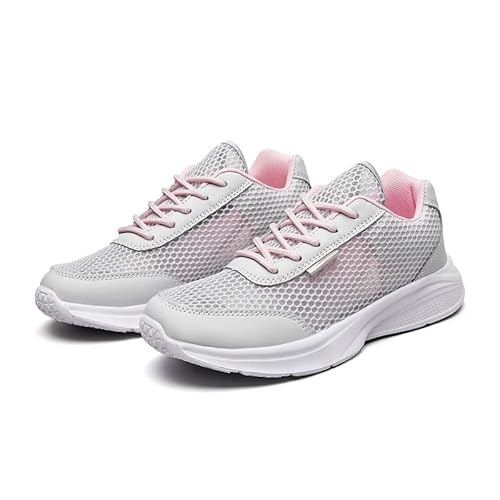
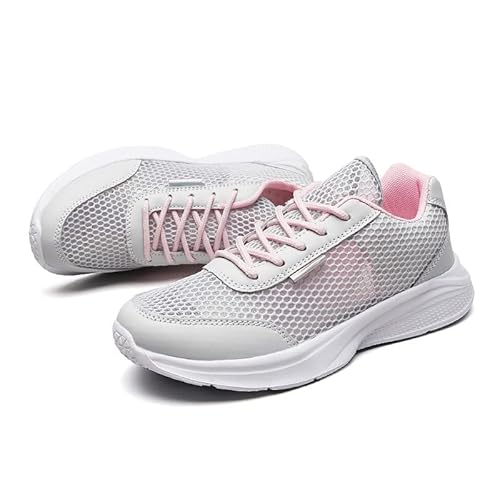
Since Topo shoes are designed for serious training, the upper materials matter. For summer running or hot climates, seek out engineered mesh uppers that prioritize breathability and moisture management. For trail running, look for more robust, ripstop materials that can withstand abrasions from brush and debris. Additionally, consider the outsole rubber composition. Higher-quality rubber compounds will provide better grip on wet surfaces and will wear down more slowly over hundreds of miles. When selecting your pair, match the upper's flexibility to your running style—some runners prefer a stiff, structured upper for stability, while others thrive in a more flexible, sock-like fit.