Understanding Inseam Length and Coverage
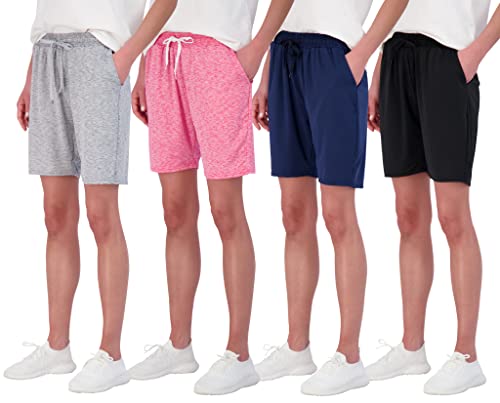
The most immediate decision you will face is the inseam length. In women's running gear, this typically ranges from 2-inch micro-shorts to 8-inch compression styles. If you prefer maximum freedom of movement and ventilation, shorter inseams are ideal, but they often require built-in liners to prevent chafing and ensure modesty. For those who prefer a more secure, 'locked-in' feeling, longer inseams or compression-style shorts provide more coverage and can help reduce thigh friction. Consider your running environment: shorter shorts are excellent for high-heat summer runs, while longer, more compressive styles offer a sense of stability during high-intensity interval training or longer endurance sessions.
The Critical Role of the Inner Liner
A high-quality pair of running shorts is defined by its liner. A well-designed liner serves two purposes: it acts as built-in underwear to reduce laundry cycles and prevent irritation, and it provides structural support. Look for liners made from seamless, moisture-wicking fabrics. Avoid liners with thick, bulky seams that can cause painful chafing during repetitive motion. Some premium options feature a gusseted crotch, which is a triangular piece of fabric inserted into the seam to allow for a greater range of motion and better airflow. If you prefer to wear your own athletic underwear, look for 'shell' style shorts that lack a liner, but be prepared for more frequent adjustments.
Fabric Technology and Moisture Management
Running is a high-perspiration activity, making fabric choice paramount. You should steer clear of heavy cotton, which absorbs sweat, becomes heavy, and stays wet, leading to chills and chafing. Instead, look for synthetic blends—specifically polyester and elastane (Spandex). These materials are engineered to wick moisture away from the skin to the surface of the fabric where it can evaporate quickly. Additionally, pay attention to breathability. Some shorts incorporate mesh panels in high-heat zones, such as the side seams or the rear, to increase airflow and keep your core temperature regulated.
Storage and Utility Features
As you progress in your running journey, you may find you need to carry more than just your phone. Modern running shorts often include specialized storage solutions. Look for a dedicated, zippered pocket for keys or cards, or a waistband designed with a 'media pocket' that holds a smartphone securely against your hip without bouncing. Some technical shorts also feature small, lightweight pockets on the side of the liner for energy gels. When evaluating storage, consider the weight distribution. A pocket that sits too low or is poorly positioned can cause the shorts to sag or bounce uncomfortably while you run.
Waistband Construction and Fit
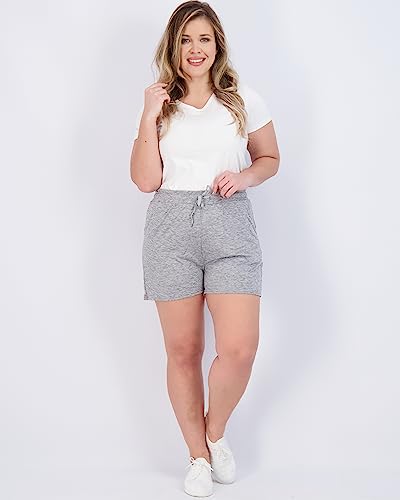
The waistband is the anchor of your shorts. A wide, flat waistband is generally superior to a thin, elasticized one because it distributes pressure more evenly around your midsection, preventing the 'digging in' sensation. Look for a drawcord integrated into the waistband. This allows you to customize the tightness, ensuring the shorts stay in place during sprints or uphill climbs. Finally, consider the rise. A high-rise waistband offers more coverage and stays in place better during dynamic movements, whereas a mid-rise fit might feel more traditional and less restrictive around the stomach.