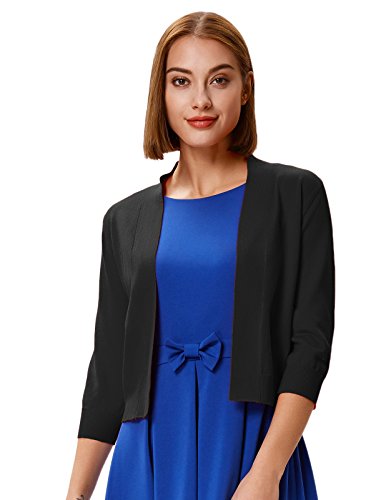
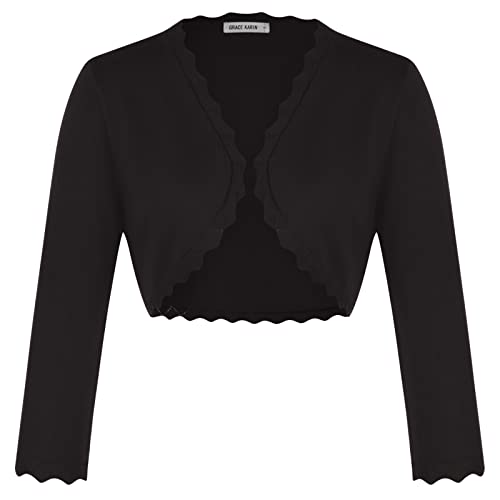
Prioritizing Fabric Composition and Texture
The primary function of a shrug is to provide a subtle layer of warmth without adding bulk to your midsection. When evaluating Grace Karin options, pay close attention to the material blend. For formal events, such as weddings or evening galas, look for fine-gauge knits that incorporate viscose or rayon. These fibers offer a silky sheen and a fluid drape that complements satin or lace dresses. If you are seeking a more casual, everyday shrug for spring or autumn, a cotton-blend knit provides better breathability and structure. Avoid overly heavy, chunky knits if your goal is to layer under a blazer or tailored jacket, as these will create unsightly lumps and restrict movement.
Understanding Sleeve Length and Silhouette
The silhouette of a shrug defines its utility. Grace Karin typically offers a variety of sleeve lengths, and your choice should be dictated by the neckline of your primary garment. Three-quarter length sleeves are arguably the most versatile. They expose the wrist, which creates a slimming effect and prevents the layering from looking 'heavy.' If you are wearing a high-neck or halter-style dress, a bolero-style shrug with shorter sleeves can prevent the chest area from looking cluttered. Conversely, full-length sleeves are ideal for formal evening wear where a more modest, continuous line is desired. Pay attention to the cuff detail as well—ribbed cuffs can help hold the sleeves in place, preventing them from sliding down throughout the day.
The Importance of Fit and Hemline Placement
A common mistake when purchasing shrugs is selecting a size that is too loose. Because a shrug is meant to accentuate the shoulders and upper back, a fit that is too oversized can make the wearer look swallowed by fabric. Look for pieces that sit close to the shoulder blades. The hemline is equally critical: a shrug should ideally end just above or at the natural waistline. If the hemline drops too low toward the hips, it ceases to be a shrug and becomes a cropped cardigan, which can disrupt the visual proportions of your outfit, especially when paired with high-waisted skirts or dresses. Ensure the armholes are cut high enough to allow for a full range of motion without the entire garment riding up your back.
Matching Shrug Styles to Occasion
To make an informed decision, categorize your needs into 'Formal,' 'Professional,' or 'Casual.' For formal occasions, prioritize monochromatic colors and smooth, non-textured knits that won't snag on delicate fabrics like tulle or silk. For professional settings, look for structured knits in neutral tones—such as navy, black, or cream—that provide a polished finish to sleeveless blouses. For casual weekend wear, you can experiment with more textured weaves or slightly more relaxed fits that pair well with denim or casual jersey dresses. By matching the weight and sheen of the sweater to the formality of your base layer, you ensure the shrug looks like an intentional part of the ensemble rather than an afterthought.