Prioritize Fabric Composition and Texture
One of the most critical factors when selecting skirts from a high-volume retailer is the material. Because many skirts are designed for trend-driven, seasonal wear, the fabric choice dictates how the skirt will drape and how often you can actually wear it. If you are looking for a structured pencil skirt for work or a formal event, look for descriptions mentioning thicker knits or synthetic blends that hold their shape. Conversely, for beachwear or summer outings, prioritize lightweight materials like chiffon, rayon, or thin cotton blends that offer breathability.
A pro tip: Always check the 'Composition' or 'Material' section in the product details. If a skirt is 100% polyester, it may have a slight sheen and won't wrinkle easily, but it might lack breathability. If you want a more premium feel, look for skirts that incorporate viscose or cotton, which tend to feel softer against the skin.
Mastering the Fit: Length and Silhouette
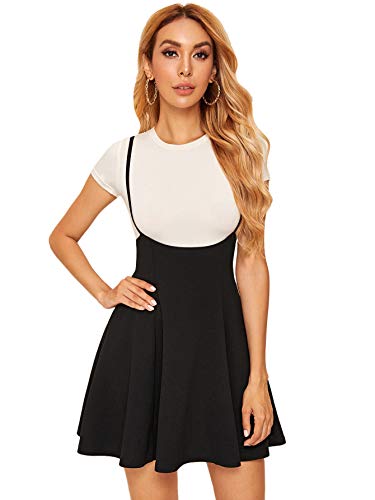
The silhouette of a skirt defines your entire outfit's vibe. A mini skirt offers a playful, youthful energy, while a midi skirt (hitting mid-calf) provides a sophisticated, 'old money' aesthetic that works well for both office and brunch settings. Maxi skirts are the ultimate choice for a bohemian or relaxed look.
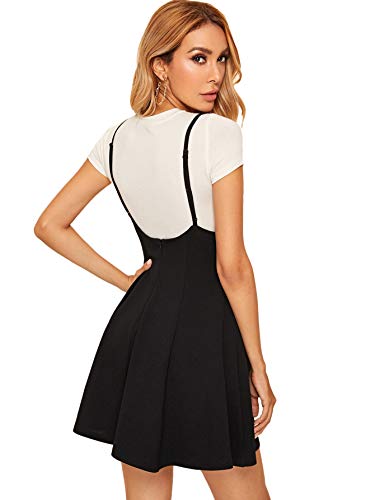
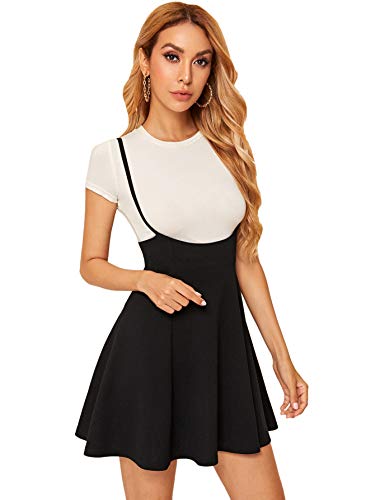
When deciding on a silhouette, consider your body type and the occasion. A-line skirts are universally flattering as they cinch at the waist and flare out, creating an hourglass illusion. Bodycon skirts are excellent for highlighting curves but require careful consideration of fabric stretch to ensure they remain comfortable throughout the day. Pay close attention to the 'Rise' of the skirt—high-waisted styles are currently trending and are excellent for tucking in blouses to elongate the legs, whereas low-rise options cater to a more Y2K-inspired aesthetic.
Decoding the Size and Measurement Reality
Since standardized sizing can vary wildly between different manufacturers, relying solely on 'Small,' 'Medium,' or 'Large' is a recipe for disappointment. The most successful shoppers use the specific measurement charts provided for every individual item. Do not guess your size based on your usual clothing. Instead, use a soft measuring tape to find your natural waistline and hip circumference.
Compare these numbers directly to the product's specific size chart. If you find yourself between sizes, it is almost always better to size up, especially for tighter-fitting skirts, as fabric that is too small will pull at the seams and create unwanted transparency. If a skirt features an elasticated waistband, it offers more forgiving fit, but for structured denim or faux leather skirts, precision is non-negotiable.
Evaluating Construction and Detail
Finally, look at the details that separate a high-quality piece from a disposable one. Check the descriptions for mentions of linings. A skirt with a built-in lining is far superior for lighter-colored fabrics to prevent transparency. Look for functional elements like zippers, buttons, or pockets. While decorative buttons add flair, ensure the skirt has a reliable closure system. If you are eyeing a skirt with ruffles, pleats, or sequins, read the reviews to see if the embellishments stay intact after a single wash, as heavy detailing can sometimes be delicate in fast-fashion constructions.