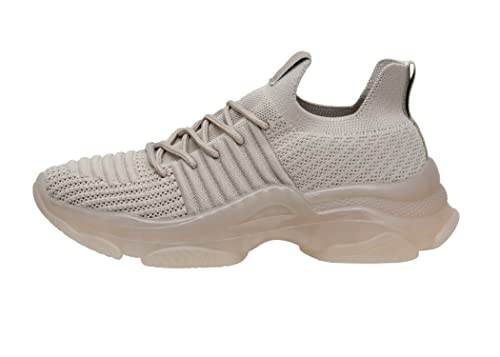
Prioritize Midsole Composition and Density
The defining characteristic of a high-quality sneaker in this category is the midsole technology. When browsing, look closely at the material composition. Many models utilize EVA (Ethylene Vinyl Acetate) foam, which provides excellent shock absorption and keeps the shoe incredibly lightweight. If you are someone who spends several hours on your feet standing on hard surfaces, look for models that feature a thicker, dual-density sole. A denser foam layer provides the structural integrity needed to prevent your foot from 'bottoming out,' while a softer top layer provides immediate comfort. Avoid overly thin soles if you plan on long-distance walking, as they lack the necessary cushioning to mitigate impact on your joints.
Assess the Upper Material for Breathability and Fit
The upper part of the sneaker dictates how the shoe breathes and how it accommodates the natural swelling of your feet throughout the day. Knit uppers are highly popular because they offer a sock-like fit that conforms to the unique shape of your foot, reducing pressure points. These are ideal for casual, low-impact wear. However, if you require more lateral stability—meaning you need the shoe to hold your foot firmly in place during movement—look for sneakers with mesh overlays or synthetic reinforcements. These materials provide a structured cage that prevents the foot from sliding inside the shoe, which is a common cause of blisters.
Consider Closure Systems and Ease of Entry
One of the primary reasons women gravitate toward this style of footwear is the convenience of the entry system. You will generally find two main types: slip-on designs and lace-up models. Slip-ons are the pinnacle of convenience, making them perfect for quick transitions and those with limited mobility or those who prefer a minimalist look. However, slip-ons often offer less adjustability. If you have high arches or wider feet, a lace-up sneaker is often the superior choice. Laces allow you to customize the tension across the midfoot, ensuring the shoe stays secure without being restrictive. When deciding, consider whether you value the speed of a slip-on or the precision of a lace-up.
Evaluate Outsole Traction and Durability
A sneaker is only as good as its grip. Even if a shoe feels soft, it is useless if it lacks traction on smooth or wet surfaces. Look for outsoles that feature textured patterns or siped grooves designed to channel water away and increase surface area contact. For indoor use or light walking, a smooth synthetic sole is fine, but for urban environments or light outdoor trails, a more rugged, patterned rubber outsole will provide the longevity and safety you need. Always check if the outsole material is integrated deeply into the sole or just a thin layer, as integrated soles tend to last significantly longer under heavy use.