Determine Your Impact Level
The most critical factor in selecting an oqq sports bra is matching the level of support to your specific activity. Not all movement is created equal, and wearing a low-impact bra during a heavy running session can lead to discomfort and long-term tissue strain. For high-impact activities like jumping rope, sprinting, or aerobics, look for models that feature high compression and wide, reinforced under-bands to minimize bounce. For low-impact activities such as Pilates, stretching, or walking, you can opt for lighter, more breathable fabrics that prioritize range of motion over heavy-duty containment. Choosing the wrong impact rating is the most common mistake in sports bra shopping.
Prioritize Fabric Composition and Moisture Management
Since these bras are designed for sweat-inducing workouts, the technical properties of the fabric are paramount. You should look for synthetic blends—typically involving nylon or polyester mixed with elastane (spandex)—that offer high elasticity and shape retention. A high-quality bra should not sag after three washes. Furthermore, pay close attention to moisture-wicking capabilities. The fabric should pull sweat away from your skin to the surface of the garment where it can evaporate quickly. This prevents the 'heavy, wet' feeling during long sessions and helps regulate your body temperature. Seamless construction is also a significant plus, as it reduces the risk of chafing caused by friction during repetitive movements.
Evaluate the Strap and Back Design
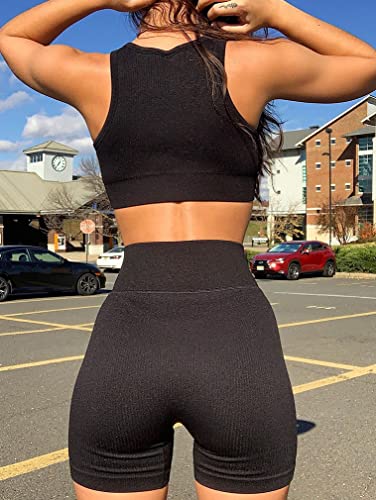
The architecture of the back and straps dictates both the support level and your comfort. Racerback designs are a staple in the oqq lineup because they allow for greater scapular movement, which is vital for upper-body exercises like shoulder presses or yoga flows. However, if you have broader shoulders, ensure the straps are wide enough to prevent them from digging into your skin. Additionally, consider the closure type. Pullover styles offer a sleek, seamless look that is excellent for yoga, while racerback styles with adjustable straps provide a customizable fit that is better for high-intensity training where you need to tighten the garment for extra security.
Fit and Compression Logic
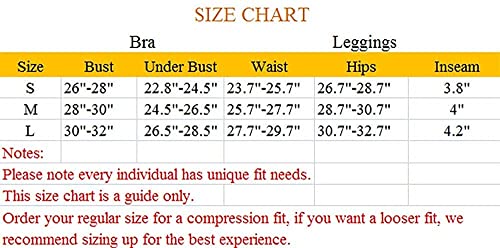
A sports bra should feel 'snug' but never 'suffocating.' To find the right fit, focus on the band first. The band provides about 80% of the support. If it is too loose, the bra will ride up. If it is too tight, it will restrict your breathing. When testing the fit, you should be able to slide two fingers under the band comfortably. The cups should encapsulate your breast tissue entirely without any 'spillage' at the edges. If you notice the fabric is pulling or creating tension lines across the chest, you likely need to size up. Conversely, if there is significant gap between your skin and the fabric, you need more compression or a smaller size.
Style vs. Functionality
Finally, consider how you intend to wear the bra. Many oqq designs lean into a 'lifestyle' aesthetic, featuring trendy colors and flattering cuts that allow the bra to function as a standalone top. If you plan to wear your bra under a lightweight tank, a seamless, low-profile design is best. If the bra is purely for performance under heavy layers, you can prioritize thicker, more durable materials that offer maximum stability regardless of their visual silhouette.