Prioritize Material Composition and Durability
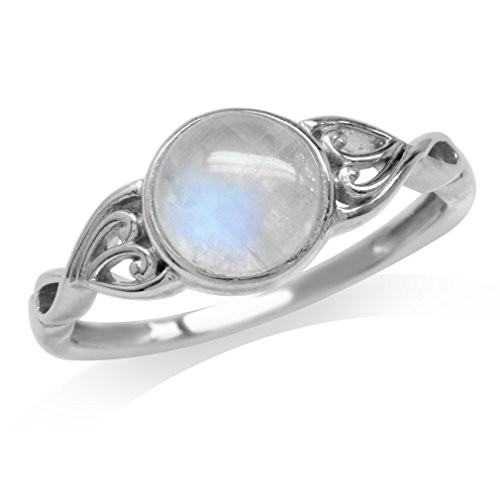
Because statement rings often feature larger surface areas and heavier decorative elements, the base metal is critical. You want to look for high-quality alloys that offer weight without being cumbersome. Many premium statement rings utilize sterling silver or high-grade stainless steel as a foundation. Sterling silver provides a classic, luminous finish that complements a wide variety of gemstone colors, while stainless steel offers superior scratch resistance for those who wear their jewelry frequently. Avoid rings that feel excessively lightweight or 'tinny,' as this often indicates a low-quality plating that will flake or discolor quickly when exposed to skin oils or moisture.
Evaluate Stone Setting and Visual Impact
The 'statement' in these rings usually comes from the center stone or the intricate cluster design. When shopping, observe how the stones are set. Bevel settings or prong settings that securely hold large cubic zirconia or synthetic crystals are preferred, as they allow maximum light refraction, giving the ring that coveted 'brilliance.' Look for designs that utilize multi-stone arrangements—such as halo settings or marquise cuts—to increase the visual footprint of the ring. A well-crafted statement ring should look intentional. The stones should be symmetrical, and the metalwork surrounding them should enhance, rather than distract from, the central sparkle.
Consider Proportion and Hand Anatomy
A common mistake is selecting a ring that is too large for the wearer's hand, causing it to slide or feel unbalanced. If you have slender fingers, an oversized, wide-band statement ring can look overwhelming. In these cases, look for designs that feature verticality—such as elongated teardrop or pear shapes—which help elongate the appearance of the finger. Conversely, if you have broader hands, you can carry heavier, more architectural rings with thicker bands and chunky geometric shapes. Always consider the 'heft' of the ring. A statement piece should feel substantial on the finger, providing a sense of luxury without hindering your ability to move your hand naturally.
Style Versatility: Occasion vs. Aesthetic
Before purchasing, categorize the ring's aesthetic. Is it a vintage-inspired piece with intricate filigree and antique finishes, or is it a modern, minimalist geometric piece? Vintage-style rings are excellent for adding character to contemporary outfits, while modern, high-polish rings work best in professional or avant-garde settings. Think about your existing jewelry wardrobe. If you primarily wear gold accents, ensure the ring's plating is consistent with your other pieces. If you prefer a versatile look, silver-toned statement rings are often easier to pair with various color palettes, from cool blues to warm earth tones.
The Importance of Sizing Accuracy
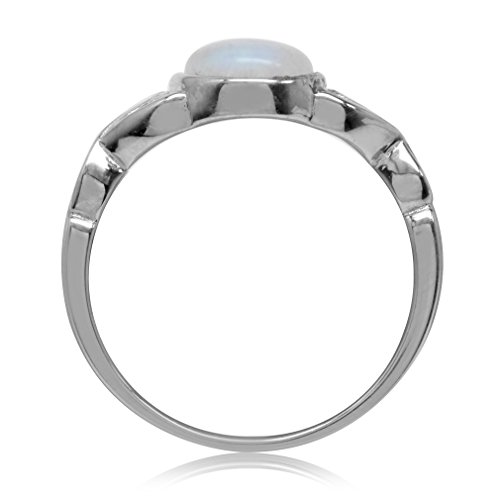
Because statement rings are often top-heavy due to large stones, they have a tendency to spin on the finger. When selecting your size, consider whether you might need a slightly snugger fit than your standard band to counteract the weight of the decorative element. If a ring is too loose, the stone will constantly tilt, which can be distracting and can also damage the setting over time. Always check the width of the band. A wider band generally stays in place better than a thin wire band when dealing with heavy embellishments.