Prioritize Brim Width and Coverage
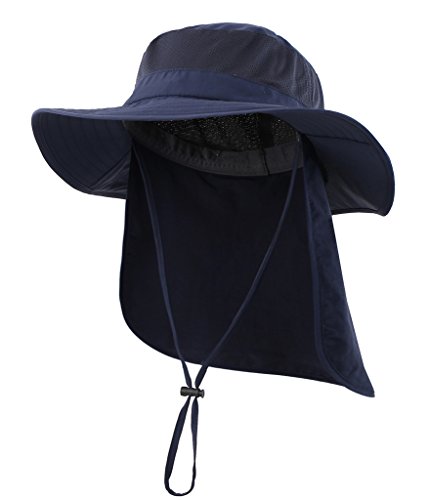
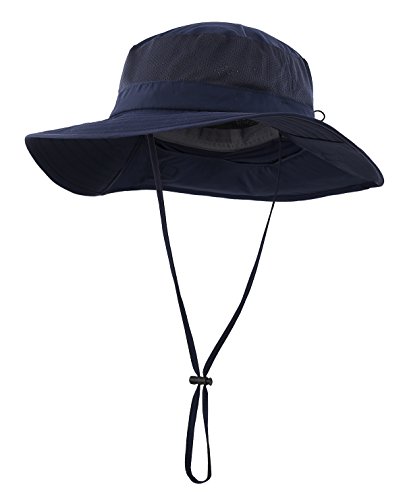
The most important functional aspect of any sun hat is the brim. For effective sun protection, you should look for a wide brim, typically measuring at least three to four inches. A wide brim provides essential shade not just for your eyes and forehead, but also for your ears and the delicate skin on your neck—areas that are frequently overlooked and highly susceptible to sunburn. If you are looking for a casual garden hat, a medium brim might suffice, but for high-intensity sun exposure like beach days or hiking, a floppy, extra-wide brim is your best defense against UV rays.
Material Matters: Breathability vs. Durability
The material of your hat dictates how much heat you will trap against your scalp. Natural fibers like straw, raffia, and paper braid are industry standards for a reason: they are inherently breathable. A tightly woven straw hat offers excellent structure and a classic look, while a looser weave allows for maximum airflow, which is vital in humid climates. If you require something more durable and packable, look for UPF-rated synthetic fabrics. These lightweight, quick-drying materials are often treated to block ultraviolet rays more effectively than raw natural fibers and are much easier to toss into a travel bag without losing their shape.
Consider the Crown and Ventilation
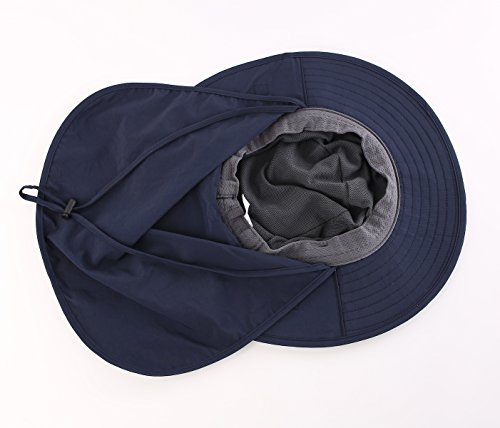
While the brim handles the shade, the crown handles the temperature. A hat with a high, structured crown can create a pocket of air that helps dissipate heat, but it can also feel heavy. For those prone to overheating, look for hats that incorporate ventilation features, such as laser-cut perforations, mesh panels, or a breathable cotton lining. A moisture-wicking inner band is also a premium feature to look for. It prevents sweat from running into your eyes and helps the hat stay securely on your head during a light breeze.
Style and Versatility for Different Occasions
When selecting your hat, consider where you will wear it most often. A structured boater hat or a stiff-brimmed fedora offers a sophisticated, polished look suitable for outdoor brunches or resort wear. Conversely, a soft, floppy sun hat is more relaxed and bohemian, making it ideal for casual strolls or beach lounging. If you travel frequently, prioritize 'crushable' designs—hats made from soft weaves or treated fabrics that can be folded into a suitcase and spring back into shape once unpacked.
Fit and Security
A sun hat is only useful if it stays in place. Check for adjustable features such as internal drawstring ties or chin straps, especially if you plan to wear the hat in windy coastal environments. A hat that is too tight will cause discomfort and headaches, while one that is too loose will constantly slip over your eyes. Always check the sizing guide for the circumference of your head to ensure a snug yet comfortable fit that allows for natural airflow around the temples.