Prioritize Fabric Composition and Weight
The most critical factor in selecting a sweatshirt is understanding the fabric blend. Most essential sweatshirts are composed of a cotton-polyester blend. Pure cotton offers superior breathability and a soft, natural feel, but it is prone to shrinking and losing its shape over time. A blend that includes polyester provides essential structural integrity, helps the garment retain its shape after multiple laundry cycles, and offers better moisture-wicking properties if you plan to wear the piece for light activity.
Pay close attention to the 'weight' of the fabric. If you are looking for a layering piece to wear under a denim jacket or a puffer vest, opt for a lightweight jersey or a thin fleece. For true comfort during lounging or outdoor autumn walks, look for 'heavyweight' or 'brushed fleece' descriptions. Brushed fleece has a soft, napped interior that traps heat, making it significantly warmer than standard sweatshirt material.
Determine the Desired Silhouette
The 'fit' of a sweatshirt dictates its versatility. There are generally three categories to consider: Slim Fit, Regular Fit, and Oversized.
- Slim Fit: These are designed to contour to the body. They are ideal for layering under blazers or structured jackets and work well for a more polished, feminine look.
- Regular Fit: This is the classic sweatshirt cut. It offers enough room for movement without looking baggy. This is the most versatile option for daily errands or casual office environments.
- Oversized/Relaxed Fit: If your goal is maximum comfort or a streetwear aesthetic, look for dropped shoulders and a wider torso. These are perfect for pairing with leggings or biker shorts for a relaxed, cozy vibe.
Evaluate Construction Details
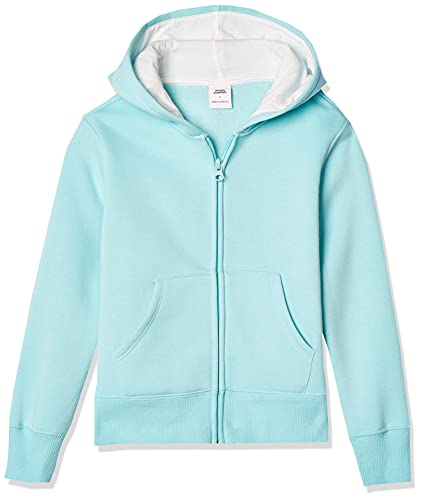
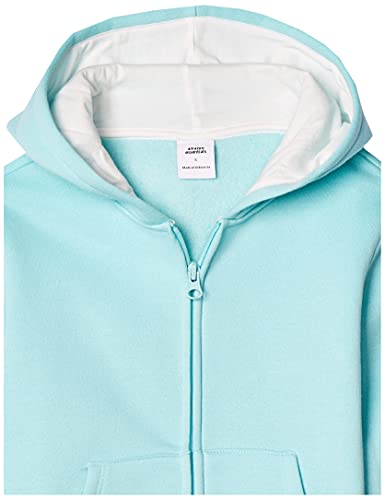
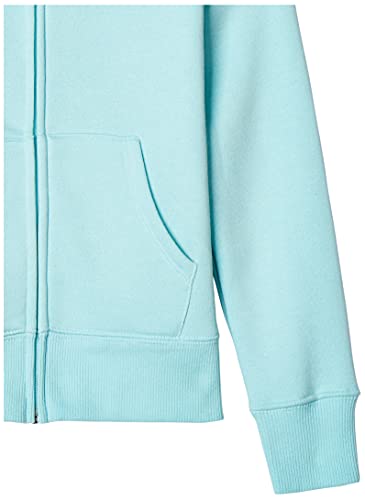
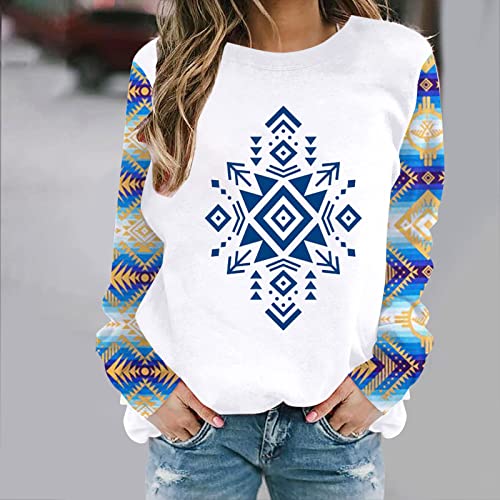
To ensure longevity, look closely at the construction of the garment. High-quality sweatshirts should feature reinforced stitching at the seams to prevent fraying. Check the cuffs and the hemline. Ribbed cuffs are preferable because they retain their elasticity, preventing the sleeves from sagging over time. Additionally, consider the neckline. A classic crewneck is the most timeless and easiest to style, while a hoodie provides extra warmth and a casual edge. If you are sensitive to irritation, ensure the interior seams are flat-locked, which reduces chafing against the skin.
Maintenance and Longevity Tips
To keep your sweatshirts looking new, avoid high-heat drying. The heat from a dryer is the primary enemy of elastic fibers and cotton blends, often leading to pilling and shrinkage. We recommend washing your sweatshirts in cold water and hanging them to dry or using a low-heat setting. This simple step will preserve the softness of the brushed fleece and keep the color from fading prematurely.