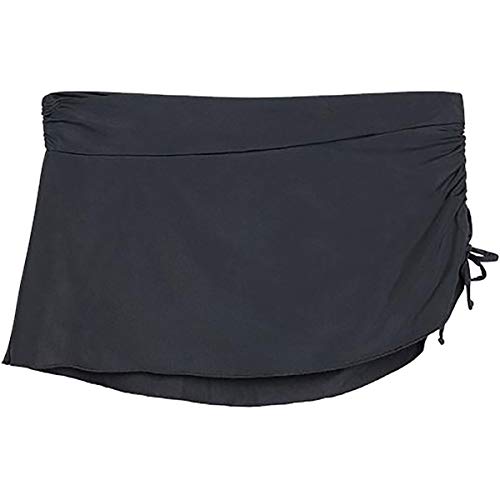
Prioritize Cut and Coverage Styles
The most immediate decision you will face is the level of coverage. Swimwear bottoms generally fall into three categories: full coverage, moderate coverage, and cheeky or Brazilian cuts. If you are looking for a classic, athletic look that stays in place during laps or beach volleyball, opt for a high-waisted or full-coverage hipster cut. These provide more security and often offer a flattering tummy-smoothing effect.
If your goal is to minimize tan lines and showcase more skin, cheeky or thong-style bottoms are the standard. These are excellent for sunbathing but require more attention to fit to ensure they don't shift during movement. For those seeking a balance, the mid-rise bikini bottom offers a versatile middle ground that works for almost any body type.
Material Durability and Fabric Tech
Not all swimwear fabrics are created equal. Since bottoms are subject to constant stretching and friction (especially around the hips and gusset), you should look for high-quality nylon or polyester blends enriched with a significant percentage of Spandex or Elastane. A high elastane content ensures the garment retains its shape after multiple dips in chlorinated pools or salty ocean water.
Additionally, consider the weight of the fabric. Thinner fabrics may become translucent when wet, which can be a major drawback for certain cuts. Look for double-lined construction, particularly in lighter colors or more revealing cuts, to ensure opacity and a premium, structured feel.
Waistband Construction and Stay-Put Technology
One of the most common complaints with swimwear bottoms is the 'sliding' effect. To avoid this, pay close attention to the waistband construction. Seamless edges are excellent for preventing chafing and creating a smooth silhouette under light cover-ups, but they may offer less grip. If you have an active lifestyle, look for bottoms with a slightly wider waistband or a subtle elasticated edge that sits securely against the skin without digging in.
High-waisted designs are particularly effective at staying in place because they anchor at the narrowest part of the torso, reducing the likelihood of the bottoms slipping down when you dive into a pool or walk through heavy surf.
Understanding Sizing and Fit Logic
Because swimwear is designed to be tight, sizing can be deceptive. A common mistake is sizing down for a 'sleeker' look, which often leads to fabric fatigue and discomfort. If you find yourself between sizes, it is almost always better to size up. A slightly looser fit can be adjusted with styling, but a bottom that is too small will create uncomfortable pressure points and may lose its elasticity prematurely.
When evaluating a design, consider the leg opening. A higher leg cut can make your legs appear longer, while a lower cut provides more stability. Always consider how the specific design of the 'carve' or cut will interact with your natural movement to ensure you aren't constantly pulling the fabric back into place throughout the day.