Prioritize Fabric Composition and Weight
The most critical decision you will make is choosing the right material. For a t-shirt intended for everyday wear, 100% cotton is the gold standard due to its breathability and natural feel against the skin. However, pay close attention to the weight of the knit. A lightweight cotton jersey is ideal for layering under sweaters or light jackets, as it won't add unnecessary bulk. If you prefer a t-shirt that can stand alone as a primary top, look for a medium-weight fabric that offers enough structure to prevent it from looking sheer or clingy.
For those who prioritize stretch and shape retention, a cotton-poly blend or a cotton-elastane mix is often superior. The addition of synthetic fibers allows the shirt to move with your body and, more importantly, helps the neckline and hem resist stretching out after multiple trips through the laundry. If you are looking for a more athletic or moisture-wicking feel, check for performance blends designed to handle perspiration.
Understand the Nuances of Fit and Silhouette
Not all 'basic' tees are cut the same way. To choose the right one, you must decide which silhouette aligns with your personal style and intended use. There are generally three categories to consider:
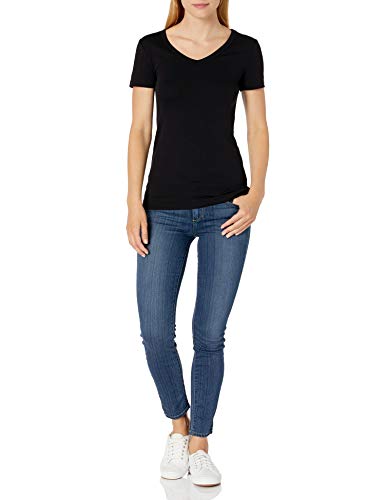
- Slim Fit: These are designed to hug the body. They are excellent for layering under button-downs or structured jackets because they minimize bunching at the waist and arms.
- Classic/Regular Fit: This is the most versatile option. It provides enough room for comfort without being oversized, making it suitable for almost any casual occasion.
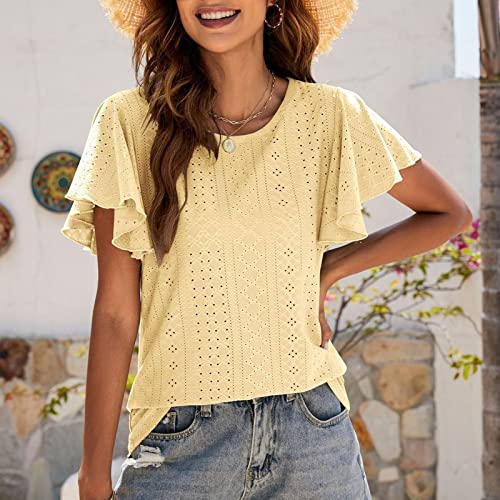
- Relaxed/Oversized Fit: Best for a laid-back, streetwear-inspired look or for lounging at home. These offer maximum airflow and a non-restrictive feel.
Additionally, pay attention to the neckline. A crew neck is the most traditional and versatile, providing a clean look that works for almost everyone. A V-neck can help elongate the neck and provide a more feminine, slightly dressier touch, making it a great choice for wearing under low-cut tops.
Evaluate Durability and Construction Details
A t-shirt is only a good value if it survives the washing machine. To ensure longevity, inspect the construction. Look for reinforced stitching at the shoulder seams and double-needle stitching on the sleeves and bottom hem. This prevents the edges from curling or unraveling over time. The neckline is often the first part of a shirt to fail. A ribbed collar that maintains its shape is a sign of a well-constructed garment.
Finally, consider colorfastness. Since basic tees are often washed frequently, look for descriptions that suggest high-quality dyes. Darker colors like navy, black, and charcoal are prone to fading, so if you are buying these for heavy rotation, ensure the fabric density is high enough to hold color well through repeated cycles.
Summary Recommendation Logic
When making your final selection, use this quick logic: If you need a layering piece, go for a lightweight, slim-fit cotton blend. If you want a standalone casual staple, opt for a medium-weight, classic-fit 100% cotton tee. If you are prioritizing comfort and ease of movement, select a relaxed-fit jersey with a hint of elastane for stretch.