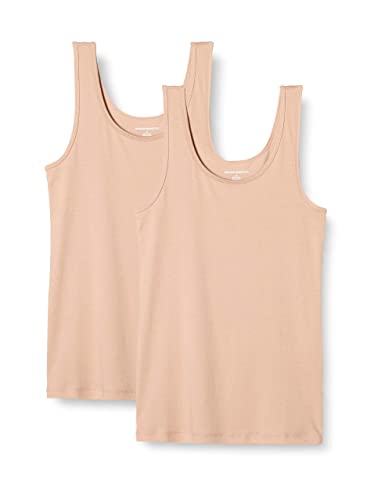
Prioritize Fabric Composition for Purpose
The most critical decision in selecting a camisole is choosing the correct textile blend. Not all camis are created equal, and the fabric dictates whether the piece functions as an undershirt or a standalone top. For layering under tight-fitting garments, look for synthetic blends like nylon and spandex. These offer a 'smoothing' effect and provide enough stretch to hug the body without bunching up. If you prefer a cami for sleeping or casual lounging, prioritize long-staple cotton. Cotton offers superior breathability and moisture absorption, making it ideal for sensitive skin. However, be aware that 100% cotton lacks the recovery of synthetic blends, meaning it may sag slightly throughout the day. For a middle ground, a cotton-modal blend provides the softness of natural fibers with the drape and wrinkle resistance of semi-synthetics.
Evaluate Strap Style and Adjustability
The versatility of a camisole is largely determined by its straps. Spaghetti straps are the gold standard for invisibility under sheer tops, but they can be difficult to manage if you have broader shoulders or require more support. If you plan to wear your camisole as a visible part of an outfit—perhaps under a blazer—consider wider straps or racerback styles, which offer a more athletic and modern aesthetic. A key feature to look for is adjustable sliders. Adjustable straps allow you to customize the neckline depth, preventing the dreaded 'gaping' effect when you lean forward, and ensuring the hem sits at the correct hip level.
Mind the Opacity and Weight
One of the most common frustrations with budget-friendly camisoles is transparency. To avoid the 'see-through' trap, perform a visual check of the fabric weight. Lightweight, sheer fabrics are excellent for summer layering but fail as base layers for professional attire. If you need a cami to serve as a modesty layer under white button-downs, opt for a 'double-lined' front or a higher GSM (grams per square meter) fabric. A thicker, more substantial knit will provide the necessary coverage while still maintaining a slim profile that doesn't add unnecessary bulk to your frame.
Neckline and Hemline Geometry
The neckline determines how much of the camisole is 'exposed' to the world. V-necks are universally flattering and work best for layering under scoop-neck sweaters or deep-cut blouses. Square necklines offer a more structured, vintage-inspired look that works well for standalone wear. Additionally, pay attention to the hemline. A straight, seamless hem is best for tucking into high-waisted trousers or skirts, whereas a slightly longer, curved hem is better for wearing untucked over leggings. When selecting your size, consider that camisoles designed for layering should fit 'snug but not restrictive,' whereas lifestyle camisoles should offer a bit more room for movement and airflow.