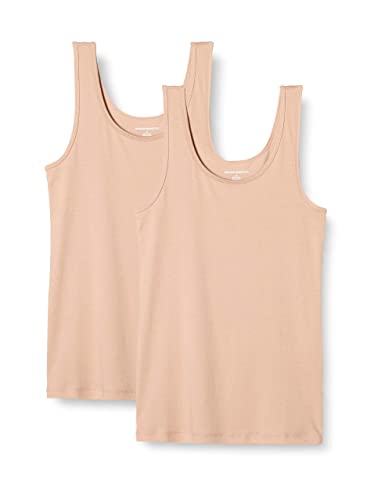
Prioritize Fabric Composition and Weight
The most critical decision factor for any camisole is the material. Because these garments are often worn directly against the skin, breathability and texture are paramount. For everyday layering under tight-fitting tops, look for cotton-spandex blends. The cotton provides natural breathability, while the spandex (or elastane) ensures the garment retains its shape and hugs your curves without sagging throughout the day. If you are seeking a more luxurious feel or a piece meant for evening wear, consider modal or rayon blends. These fabrics offer a silkier drape and a subtle sheen that looks more polished when peeking out from a blazer.
Weight also matters. A lightweight, sheer fabric is ideal for summer layering, but it may lack the structural integrity needed to smooth out your silhouette. Conversely, a medium-weight ribbed knit cami provides more coverage and a more casual, textured look that works beautifully on its own with denim.
Understand Strap Styles and Necklines
The neckline and strap configuration will dictate the versatility of your tank. Spaghettti straps are the gold standard for layering because they are nearly invisible under most clothing. However, if you plan to wear the camisole as a standalone top, you might prefer wider straps that offer more support and a more substantial aesthetic.
Pay close attention to the neckline shape. A classic scoop neck is the most versatile for layering under V-necks or crew necks. If you are looking to combat a plunging neckline, a deeper scoop or a square neck might be necessary. Additionally, consider the functionality of the straps. Some essential tanks feature adjustable sliders, which are invaluable for ensuring the neckline sits at the correct height on your chest, preventing either gaping or awkward pulling.
Evaluate Fit and Construction Details
A high-quality camisole should feel secure but not restrictive. When evaluating fit, consider the 'ride-up' factor. A cami that is too short will constantly migrate upward as you move, which is frustrating for professional settings. Look for lengths that hit at the hip for better tucking capability.
Construction details like reinforced seams and hemmed edges are signs of a better-made garment. In cheaper constructions, the delicate straps often become the first point of failure. Look for reinforced stitching where the strap meets the bodice. Furthermore, if you are looking for a smoothing effect, check if the cami features a double-layered front. This extra layer of fabric provides a more streamlined appearance and helps prevent the garment from being overly transparent.
Match the Style to Your Intent
Finally, categorize your needs before purchasing. Are you building a 'utility' collection? Focus on multipacks of cotton blends in neutral tones like white, black, and heather grey. Are you building a 'fashion' collection? Look for ribbed textures, lace trim details, or satin-finish fabrics. By distinguishing between a functional base layer and a visible fashion piece, you can avoid overspending on items that don't serve their intended purpose.