Understanding Court Surface Compatibility
One of the most critical decisions you will make is matching your shoe's outsole to the surface where you play most frequently. Asics offers specialized tread patterns for different environments. If you primarily play on hard courts, you need a durable, non-marking rubber outsole with deep grooves to handle the abrasive friction and provide stability during lateral lunges. If you are a clay court specialist, look for a more specific tread pattern designed to allow for controlled sliding without losing grip entirely. Wearing a hard-court shoe on clay can lead to unpredictable slips, while a clay-specific shoe on hard courts will wear down far too quickly. Identifying your primary surface ensures longevity and safety.
Stability vs. Speed: Finding Your Playstyle
Asics categorizes much of its lineup by the 'feel' of the shoe, which generally falls into two camps: stability-focused or speed-focused. For baseline players who spend a lot of time moving laterally and absorbing heavy impact, stability models are essential. These shoes often feature reinforced sidewalls and a wider base to prevent the foot from rolling during intense side-to-side movements. On the other hand, net players and aggressive attackers often prefer lightweight, speed-oriented models. These shoes minimize weight to allow for quicker footwork and explosive sprints to the net, though they may offer slightly less lateral support than the heavy-duty stability versions. Consider your tactical approach to the game before deciding which profile fits your footwork.
Cushioning Technology and Impact Protection
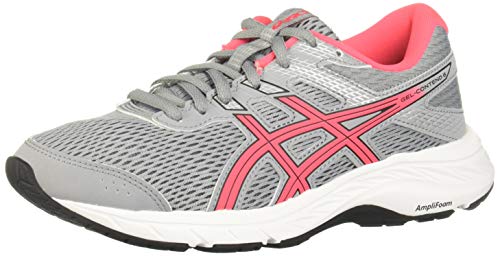
Tennis is a high-impact sport that places immense stress on the knees, ankles, and heels. Asics is renowned for its proprietary gel-based cushioning systems, which are designed to absorb shock during heavy landings. When reviewing different models, pay attention to where the cushioning is concentrated. Some shoes offer maximum cushioning in the heel to protect against impact during serves and overheads, while others provide more responsive cushioning in the forefoot to assist with quick transitions and agility. If you are prone to joint fatigue, prioritizing a model with higher-density cushioning will help sustain your performance through long three-set matches.
Fit, Width, and Upper Construction
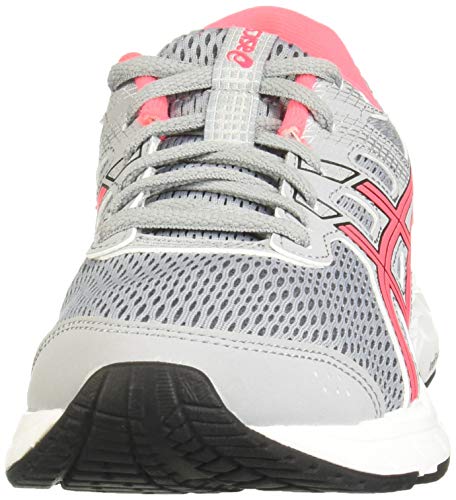
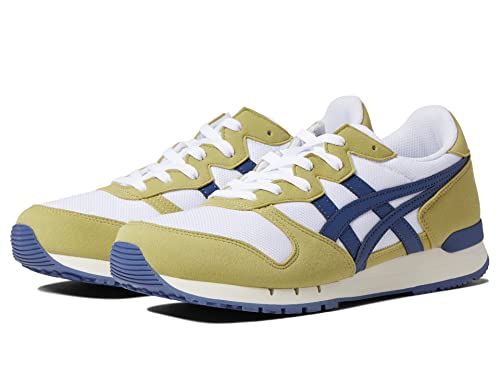
A common mistake in tennis footwear is choosing a shoe that is too narrow. During a match, your feet will naturally swell due to heat and repetitive impact. Asics typically offers various widths, so it is vital to ensure there is enough room in the toe box to prevent black toenails and blisters, while still maintaining a 'locked-in' feel around the midfoot. Look for upper materials that offer a balance of breathability and structural integrity. Synthetic overlays are excellent for providing support during lateral cuts, while mesh components ensure your feet stay cool during summer tournaments. A well-constructed upper should feel like a second skin—secure enough to prevent sliding inside the shoe, but flexible enough to move with your foot's natural mechanics.