Prioritize Fabric Composition and Breathability
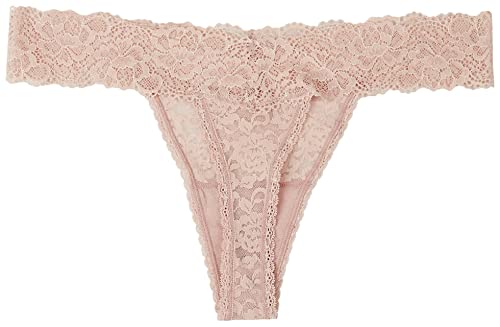
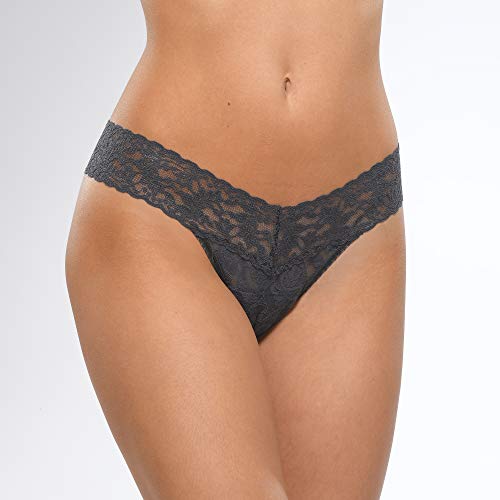
The most critical factor in selecting a high-quality thong is the material. Because thongs involve more direct contact with sensitive skin, the fabric must be breathable and moisture-wicking. Look for cotton-blend gussets, which provide a natural barrier and promote airflow, reducing the risk of irritation. For everyday wear, a soft microfiber is often the gold standard. It offers a smooth, matte finish that disappears under leggings or tight dresses. If you are looking for something more luxurious for special occasions, lace variations offer a sophisticated aesthetic, but ensure the lace is soft and high-stretch to prevent scratching or digging into the hips.
Understand the Cut: String vs. G-String vs. Cheeky Thong
Not all thongs are created equal, and the 'cut' determines how the garment sits on your hips and how much coverage it provides. A classic thong offers a standard waistband and a thin strip of fabric at the back, making it the most versatile option for standard daily wear. A G-string is the most minimalist version, typically utilizing thin string-like sides that offer virtually zero pressure on the hips, which is ideal for those who find traditional waistbands restrictive. If you want the seamless benefit of a thong but prefer a bit more fabric for comfort, look for 'cheeky' styles or wider-band thongs. These provide a slightly more substantial silhouette that can feel more secure during movement.
Evaluate the Waistband Construction
The waistband is often where a thong succeeds or fails in terms of comfort. A common complaint with lower-quality intimates is the 'digging' sensation at the hips. To avoid this, look for seamless, laser-cut edges or wide, elasticized bands that distribute pressure evenly across the pelvic bone. Seamless edges are particularly effective for preventing visible lines under silk or jersey fabrics. If you prefer a more secure, 'stay-put' feel, a medium-width microfiber waistband will provide enough tension to prevent the garment from shifting without creating uncomfortable indentations in your skin.
Consider Occasion and Functionality
Your decision logic should change based on what you plan to wear over the thong. For athletic wear or high-compression leggings, seek out moisture-wicking synthetic blends that can handle perspiration and stay in place during high-impact movement. For professional attire or formal evening wear, focus on ultra-thin, laser-cut microfiber that offers a completely flat profile. Finally, for lounging or sleeping, prioritize 100% cotton or extremely soft modal blends that prioritize tactile comfort over structural tension. By matching the technical attributes of the thong to your specific wardrobe needs, you ensure that your lingerie serves its purpose without compromising your comfort.