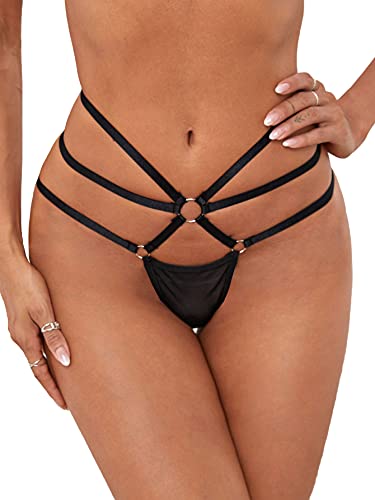
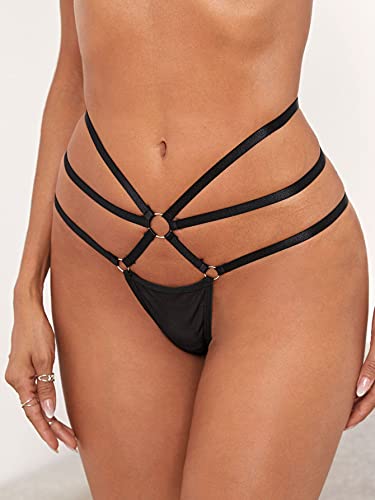
Prioritize Fabric Composition for Comfort and Breathability
The most critical factor in selecting a thong is the fabric blend. Because thongs sit in close contact with sensitive areas, breathability is non-negotiable. Look for high cotton percentages if you prioritize hygiene and moisture absorption for everyday activities. Cotton is natural, breathable, and minimizes the risk of irritation.
If your primary goal is a 'no-show' look under tight leggings or silk dresses, synthetic blends like nylon, spandex, or elastane are superior. These materials offer the stretch necessary to contour to your body without creating bulges. However, ensure the fabric has a high enough elastane content to prevent the waistband from sagging throughout the day, which can lead to constant readjusting.
Evaluate the Waistband and Edge Construction
A common complaint with lower-quality thongs is the 'digging' sensation at the hips. When browsing, pay close attention to the waistband design. A wide, soft elastic waistband tends to distribute pressure more evenly across your hips, preventing the harsh indentation often caused by thin, narrow elastics.
Furthermore, consider the edge finish. Laser-cut edges are the gold standard for seamlessness. Unlike traditional sewn hems, laser-cut edges lie completely flat against the skin, making them virtually invisible under even the most form-fitting clothing. If you prefer a more traditional look, ensure the stitching is flat-locked to prevent chafing during movement.
Consider the Cut and Coverage Style
Not all thongs are created equal in terms of their silhouette. There is a significant difference between a classic string thong and a cheeky or Brazilian-style thong. A string thong uses minimal fabric for the back, offering the most discreet profile but potentially offering less coverage for those who find the sensation too minimal.
If you want the benefits of a thong without feeling too exposed, look for styles that offer a slightly wider back panel. This provides a middle ground: you still avoid visible panty lines (VPL), but you gain a bit more security and fabric coverage. Understanding your personal comfort threshold regarding coverage will dictate which cut works best for your lifestyle.
Sizing and Fit Logic
Sizing is where many shoppers go wrong. Because thongs rely on tension to stay in place, buying a size too small can lead to significant discomfort and skin irritation, while buying a size too large can cause the fabric to bunch up, defeating the purpose of the style.
When reading reviews or checking size charts, look for feedback regarding 'stretch recovery.' You want a garment that stretches to fit your curves but snaps back to its original shape. If a brand is noted for running small, it is often wiser to size up to ensure the waistband sits comfortably on your hips rather than cutting into your waist.
Maintenance and Longevity
Finally, consider how the garment will hold up after multiple washes. High-quality thongs should maintain their elasticity and color vibrancy. To extend the life of your delicate intimate apparel, we recommend washing in cold water and avoiding the high heat of a dryer, which can break down the spandex fibers and cause the garment to lose its shape.