Understanding the Zero-Drop Philosophy
The most defining characteristic of Altra trail shoes is the 'Balanced Cushioning' or zero-drop platform. This means the heel and the forefoot are at the same height from the ground. For many women, this promotes a more midfoot or forefoot strike, which can reduce impact on the knees and hips. However, it is crucial to understand that transitioning to zero-drop requires a gradual adjustment period. If you are coming from a traditional high-drop shoe, your Achilles tendons and calves will be worked differently. When shopping, consider whether you are looking for a shoe to replace a current zero-drop model or if you are embarking on a transition that will require a more gradual build-up in mileage.
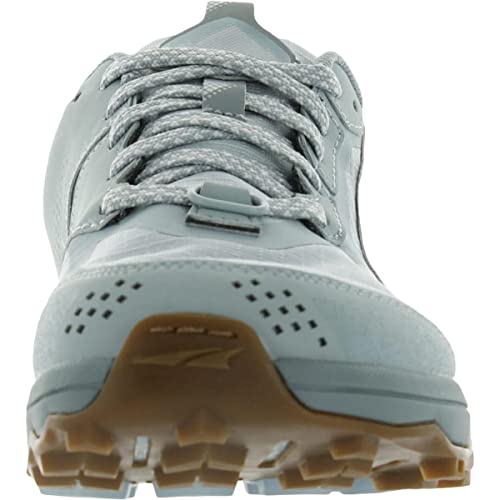
The 'FootShape' toe box is Altra's signature feature. For women, this means the shoe accommodates the natural widening of the foot during impact. This is a massive advantage for preventing blisters and black toenails on technical descents. However, not all Altra models offer the same volume within that toe box. Some models are designed for a more streamlined, 'performance' fit, while others are more voluminous. If you have wider metatarsals or prefer to wear thicker toe socks, look for models specifically noted for their expansive anatomical shape. If you prefer a more locked-in, secure feel for high-speed racing, you may find certain models more suitable than others.
Cushioning and Stack Height
Trail running demands different levels of protection depending on the environment. You will generally find three categories of cushioning in the Altra lineup:
- Maximalist: These shoes feature a high stack height, providing significant shock absorption. They are ideal for long-distance ultramarathons, much softer trails, or runners who prefer a 'cloud-like' sensation to protect against repetitive impact.
- Balanced/Moderate: These offer a middle ground, providing enough protection for rugged terrain while maintaining a better sense of 'ground feel.' This is the sweet spot for most weekend warriors and technical trail enthusiasts.
- Minimalist: These have a low stack height and are designed for maximum proprioception. They allow you to feel the texture of the ground beneath you, which can improve balance on highly technical, rocky scrambles, but they offer less protection against sharp stones.
Outsole Grip and Terrain Compatibility
The lug pattern on the outsole is a critical decision factor. If your running typically takes place on well-groomed dirt paths or gravel, a shorter, more closely spaced lug pattern will provide a smooth, efficient ride. However, if you are tackling mud, loose scree, or wet roots, you must look for aggressive, deep lugs (typically 4mm to 5mm or more) that can bite into the soft earth. Additionally, consider the rubber compound. Some models use specialized, high-friction rubber designed specifically for wet, slippery surfaces, which is a game-changer for forest runners.
Weight vs. Durability
Finally, consider the trade-off between weight and longevity. Lightweight models are excellent for racing and speedwork, but they often use thinner upper materials that may wear down faster when exposed to abrasive brush and rocks. Conversely, more rugged models feature reinforced toe caps and denser midsole foams that can withstand the rigors of backcountry running for hundreds of miles, though they will feel heavier on your feet during fast efforts.