Determine Your Primary Use Case
The first step in narrowing your selection is identifying the environment where the vest will live. If you are looking for an everyday lifestyle piece, focus on lightweight, packable designs that can be easily stowed in a bag. For outdoor activities like hiking or brisk morning walks, you will require technical features such as moisture-wicking linings and wind resistance. If the goal is office-appropriate layering, prioritize sleek silhouettes and matte finishes that mimic the structured look of a blazer or a tailored sweater vest.
Evaluate Insulation and Fill Types
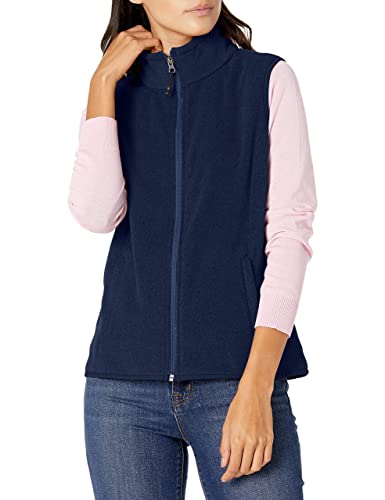
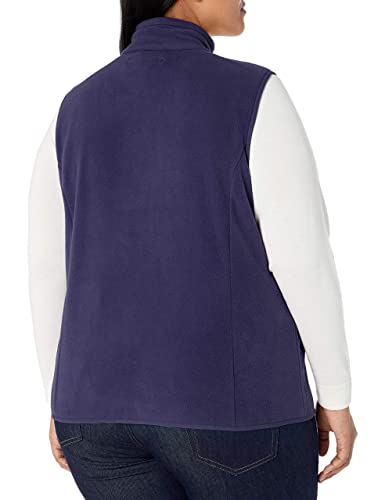
The 'warmth-to-weight' ratio is the most critical technical factor. Vests generally fall into three categories of insulation: synthetic, down, and fleece. Synthetic insulation is highly durable, maintains its loft even when damp, and is generally more affordable. It is the best choice for active use where perspiration might occur. Down insulation offers superior warmth and a much lighter feel, making it ideal for cold-weather travel, though it requires more careful maintenance. Finally, fleece vests provide a cozy, casual texture that is excellent for lounging or light outdoor tasks, offering breathability rather than heavy thermal retention.
Fabric Durability and Weather Resistance
Pay close attention to the shell material. A nylon or polyester shell is standard for puffer-style vests because these fabrics are naturally more resistant to wind and light moisture. If you plan on being in damp environments, look for descriptions mentioning DWR (Durable Water Repellent) coatings. For a more polished, fashion-forward aesthetic, cotton blends or knit textures are preferable, but keep in mind these offer significantly less protection against the elements. A vest with a high thread count or a reinforced ripstop weave will withstand the friction of backpack straps or frequent movement much better than a thin, lightweight knit.
Fit, Length, and Layering Potential
A common mistake is choosing a vest that is too tight to layer over your preferred mid-layers. When trying on a vest, always consider what you will wear underneath it. If you plan to wear chunky sweaters, size up to avoid a 'stuffed' appearance that restricts arm movement. Additionally, consider the hem length. A cropped vest works well for high-waisted trousers and modern fashion looks, whereas a longer, hip-length vest provides extra warmth for the core and lower back, making it a better choice for active outdoor use. Check the armhole depth as well. Deep armholes allow for better airflow and easier movement, while tighter armholes provide a more streamlined, formal silhouette.
Hardware and Functional Details
Don't overlook the small details that dictate daily usability. A high-quality zipper is essential. Look for smooth-gliding tracks that won't snag your underlying layers. Pocket placement is also vital—zippered pockets are a must if you intend to carry keys or a phone while walking. Finally, consider the collar height. A stand-up collar provides much-needed protection for the neck against wind, while a V-neck style is better suited for showing off necklaces or layering over collared shirts in a professional setting.