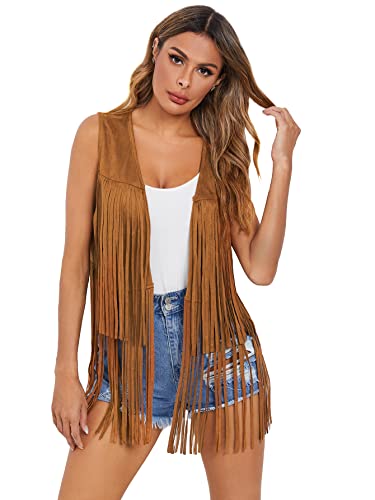
Identify Your Primary Style Aesthetic
Verdusa offers a wide spectrum of styles, and your first decision factor should be the 'vibe' you intend to project. If you lean toward the Athleisure aesthetic, focus on quilted puffer vests or lightweight windbreaker styles. These are ideal for running errands or light outdoor activities. If your wardrobe is more Academic or Retro, look for knitted sweater vests with ribbed textures or V-necklines. These pair beautifully over button-down shirts or turtlenecks. For a Minimalist approach, seek out solid-colored, structured utility vests that provide a clean line without excessive hardware or patterns.
Prioritize Fabric and Thermal Functionality
The utility of a vest is dictated heavily by its material composition. For warmth in cooler climates, prioritize synthetic fills or down-alternative padding in puffer styles. These trap heat effectively while remaining lightweight. However, if you are buying a vest for indoor layering, such as a knit or denim vest, thermal retention is less important than breathability and drape. Check the fabric descriptions: cotton blends offer comfort and softness, while polyester-heavy blends are better for moisture-wicking and wind resistance. A common mistake is buying a heavy puffer for a mild climate, which can lead to overheating. Conversely, a thin knit vest won't provide much protection against a brisk breeze.
Consider Silhouette and Layering Capability
A vest is a layering tool, so the cut must accommodate what goes underneath. When shopping, pay close attention to the armholes and the overall width of the torso. If you plan to wear your vest over thick oversized hoodies, opt for a slightly more relaxed or 'oversized' fit to avoid a constricted feeling. If the vest is meant to be a sleek addition to a fitted blouse, a tailored or slim-fit silhouette will prevent the garment from looking bulky. Pay special attention to the hemline. A cropped vest works exceptionally well with high-waisted trousers to elongate the legs, while a longer, hip-length vest provides more coverage and a more relaxed, casual appearance.
Evaluate Hardware and Finishing Details
The 'small' details often dictate the longevity and quality of the garment. For puffer vests, examine the zipper quality—a smooth-gliding, sturdy zipper is essential for a piece you will be frequently taking on and off. For knit vests, look for high-quality ribbing at the neck and hem, which prevents the garment from losing its shape after several washes. Additionally, consider the hardware on utility or denim vests. Matte finishes often look more modern and high-end, whereas shiny metallic buttons can lean more towards a traditional or rugged look. Matching the hardware to your existing jewelry or belt buckles can create a more cohesive, intentional outfit.
Maintenance and Longevity
Finally, think about how much effort you want to put into garment care. Many of the lightweight synthetic vests are machine washable, making them excellent for daily wear. However, delicate knit sweater vests may require hand washing or dry cleaning to prevent shrinking or pilling. If you are looking for a low-maintenance staple, stick to durable fabrics that can withstand a standard laundry cycle without losing their structure or texture.