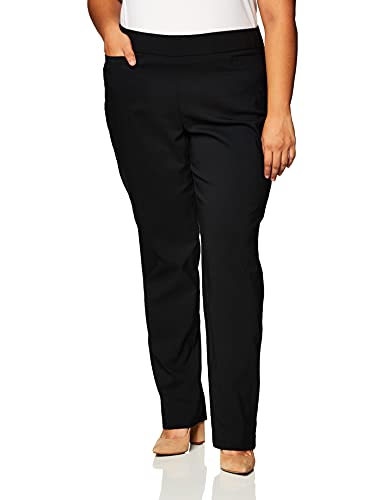
Prioritizing Fabric Integrity and Stretch Recovery
When shopping for professional capris, the fabric composition is your most critical decision factor. For a work environment, you want to avoid thin, jersey-style knits that lean too heavily into leisurewear. Instead, look for technical blends that incorporate a high percentage of structured fibers like cotton or rayon, supplemented by a strategic amount of elastane or spandex. The key is 'stretch recovery.' A high-quality pair of Briggs New York capris should offer enough flexibility for movement throughout a busy workday but must snap back to its original shape immediately. If the fabric bags out at the knees or seat after an hour of sitting, it will undermine your professional aesthetic. Aim for mid-weight fabrics that offer enough opacity to ensure modesty while providing a crisp, pressed appearance.
Mastering the Professional Hemline
The defining characteristic of a capri is its length, but in a professional setting, the 'where' matters immensely. To maintain a polished look, the hem should ideally hit at the narrowest part of your lower leg—typically just below the calf or just above the ankle bone. Avoid lengths that cut off at the widest part of the calf, as this can visually shorten the leg and disrupt the streamlined silhouette required for business attire. When evaluating capris, consider how the hem interacts with your footwear. A tailored, narrow leg opening works best with loafers, pointed-toe flats, or block heels, creating a continuous line that elongates the frame. If you plan to wear them with seasonal footwear, ensure the hemline doesn't clash with the height of your shoe.
Silhouette and Waistband Construction
The architecture of the pant determines how it drapes over the body. For a formal office, a slim-fit or straight-leg silhouette is generally more versatile than a wide-leg culotte style. A structured waistband is non-negotiable. Look for flat-front designs that minimize bulk under tucked-in blouses or blazers. While some capris offer elasticized backs for comfort, the front should remain clean and tailored to maintain a professional profile. Pay close attention to the rise—a mid-to-high rise is often preferred for workwear as it provides better coverage and a more secure fit when transitioning from sitting to standing during presentations.
Color Palette and Versatility Logic
To maximize your investment, approach your color selection with a 'capsule wardrobe' mindset. While seasonal colors like navy, charcoal, black, and sand are the gold standard for professional environments, they also serve as the most effective neutral bases for layering. A dark-toned capri can easily mimic the formality of a full-length trouser when paired with the right blazer. When choosing colors, consider the lighting of your workplace. Highly saturated or neon tones can appear distracting in a corporate setting, whereas matte, muted tones convey a sense of calm and competence. Always opt for solid colors or very subtle micro-patterns to ensure these pieces remain timeless and easy to coordinate with your existing professional tops.