Understanding Electrical Compatibility: The Golden Rules
The most critical mistake a buyer can make is assuming that if a plug fits into a device, the adapter is compatible. Electrical compatibility is defined by three primary pillars: Voltage, Amperage, and Polarity. When browsing for an adapter, you must first identify the requirements printed on your device's power port or the original transformer.
Voltage (V): This must be an exact match. If your device requires 9V, using a 12V adapter will likely fry the internal circuitry, while a 5V adapter will simply fail to function. There is no room for error here.
Amperage (A or mA): This is where many users get confused. The amperage on the adapter should be equal to or higher than what the device requires. If your device needs 500mA, an adapter providing 1000mA (1A) is perfectly safe. The device will only draw what it needs. However, an adapter providing only 200mA will overheat and likely fail.
Polarity: This refers to which part of the plug is positive and which is negative. Most modern electronics use 'center-positive' polarity, but many musical pedals and vintage gadgets use 'center-negative.' Using the wrong polarity can cause immediate, permanent damage to your equipment.
Connector Size and Tip Geometry
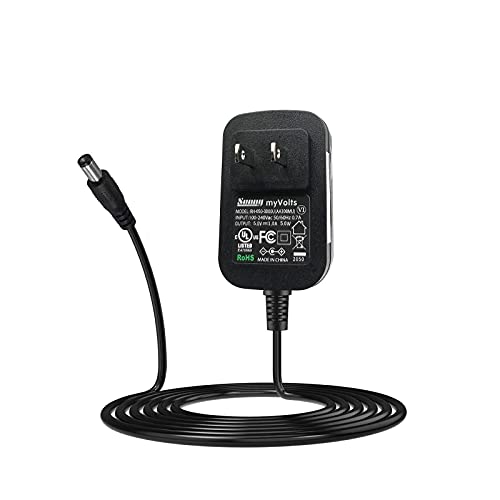
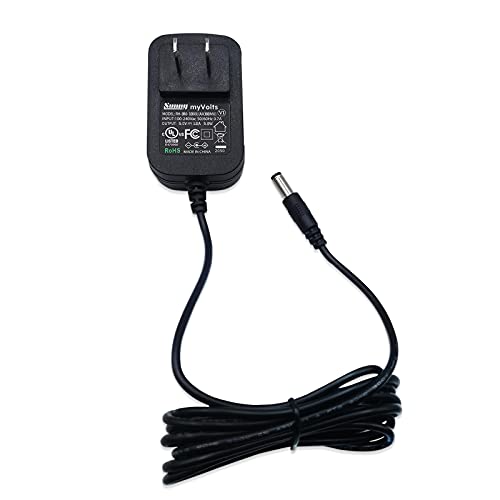
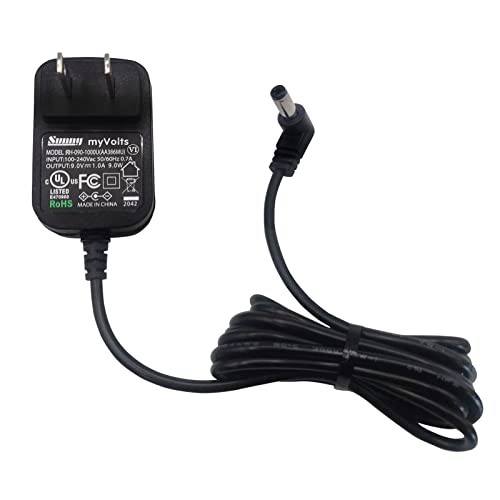
Even if the electrical specs are perfect, the physical connection is the final hurdle. Adapters come in a vast array of barrel jack sizes, measured by outer diameter (OD) and inner diameter (ID). A common mistake is purchasing an adapter where the tip is just a fraction of a millimeter too small, leading to intermittent power or arcing. When selecting a replacement, pay close attention to the tip dimensions provided in the product descriptions. Some specialized adapters may also feature unique connector shapes, such as mini-DIN or proprietary multi-pin heads, which require specific attention to the physical interface of your device.
Application-Specific Considerations
Not all power needs are created equal. If you are powering a sensitive audio interface or a high-end musical instrument, you should look for adapters designed to minimize electrical noise. Low-quality power supplies can introduce 'hum' or 'buzz' into your signal chain. Myvolts specializes in these niche applications, providing regulated power that maintains signal integrity. If you are replacing a power supply for a piece of legacy technology, ensure the adapter is rated for the specific era of electronics you are reviving, as older components can be particularly sensitive to voltage fluctuations.
Final Selection Logic
To make the best decision, follow this checklist: 1. Locate the 'Input' requirements on your device. 2. Confirm the Voltage is an identical match. 3. Ensure the Amperage is equal to or greater than the device requirement. 4. Verify the Polarity symbol matches your device. 5. Double-check the barrel jack dimensions. By following this rigorous verification process, you ensure that your replacement adapter provides a long-lasting, safe, and stable power source for your essential gear.