Material Composition and Impact Absorption
The primary function of a door entry guard is shock absorption. When selecting a guard, you must evaluate the density and flexibility of the material. High-quality guards typically utilize a combination of high-impact polymers or specialized rubberized compounds. A guard that is too hard will simply transfer the energy of an impact directly to the metal door panel, potentially causing a dent despite the surface scratch being prevented. Conversely, a guard that is too soft may deform permanently or fail to provide sufficient coverage. Look for materials that offer 'memory'—the ability to return to their original shape after being pressed or struck. This ensures long-term durability and consistent protection over years of use.
Size, Coverage, and Contour Matching
One of the most common mistakes in purchasing door guards is selecting a 'universal' size that fails to account for the specific geometry of your vehicle's door. A guard that is too small leaves vulnerable areas exposed, while one that is too large may overhang edges, making it prone to catching on clothing or being peeled off during car washes. For the best results, prioritize guards that feature contoured edges designed to follow the natural swage lines or character lines of a standard automotive door. Effective coverage should protect the most common 'strike zones'—the area midway up the door where shopping carts, bicycle pedals, and other car doors are most likely to make contact.
Adhesion Technology and Installation Longevity
A door guard is only as effective as its ability to stay attached to the vehicle. The most reliable guards utilize high-grade, automotive-specific adhesive backing. This adhesive must be strong enough to withstand high-speed wind resistance, extreme temperature fluctuations (from freezing winters to baking summer sun), and the vibrations of driving, yet be applied in a way that doesn't damage the clear coat upon removal. When evaluating a product, check if the adhesive is pre-applied and if the installation instructions recommend a specific surface preparation, such as cleaning with isopropyl alcohol. A guard that begins to peel at the corners is not only an eyesore but a safety hazard that can snag on passing objects.
Aesthetic Integration and Finish
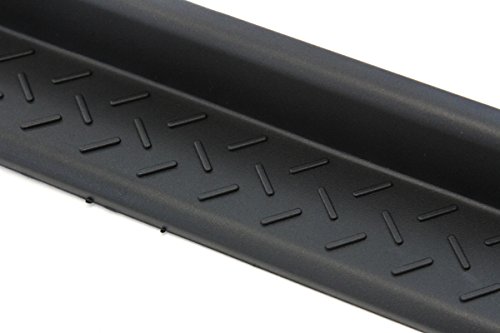
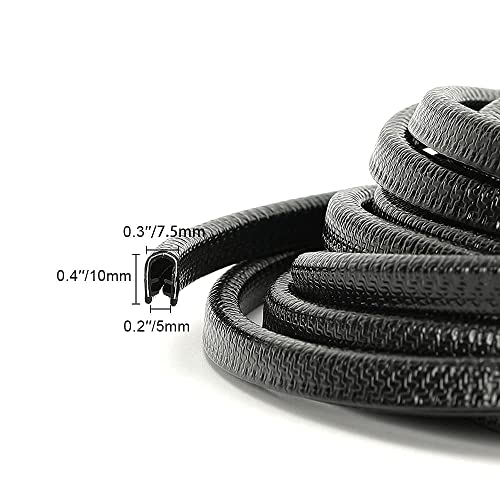
Your vehicle is an extension of your personal style, and your protective gear should reflect that. There is a tension between maximum protection and visual subtlety. Some guards feature a matte, textured finish that blends into the shadows of the door panel, making them almost invisible from a distance. Others offer a sleek, gloss finish that mimics the vehicle's paint. When choosing, consider whether you want the guard to be a functional, discreet addition or a visible accent. High-quality guards will have clean, die-cut edges that prevent a 'tacked-on' appearance, ensuring that the protection looks like a factory-installed component rather than an aftermarket modification.
Maintenance and UV Resistance
Because door guards are constantly exposed to direct sunlight and environmental contaminants, UV resistance is a critical factor. Low-quality plastics will fade, turn chalky, or become brittle under UV exposure, leading to cracking. Look for guards treated with UV inhibitors to ensure the color remains consistent with your vehicle over time. Additionally, consider how easy the surface is to clean. A smooth, non-porous surface will allow you to wipe away road grime and wax without staining the protector itself.