Understanding Material and Gauge
The primary reason enthusiasts gravitate toward these sheets is the material composition. Most high-quality sheets in this category are crafted from heavy-gauge aluminized steel or high-grade aluminum. The 'gauge' refers to the thickness of the metal. A higher gauge indicates a thicker, more durable sheet. When shopping, look for sheets that feel substantial in your hand. A thicker sheet resists 'warping'—that frustrating phenomenon where a pan bows in the center due to intense oven heat. Warping creates uneven air circulation and can cause fats or liquids to pool in the middle, leading to soggy centers and burnt edges.
Choosing the Right Dimensions
Baking sheet sizes are not universal, and selecting the wrong one can lead to poor airflow in your oven or an inability to fit standard cookie recipes. There are three main profiles to consider:
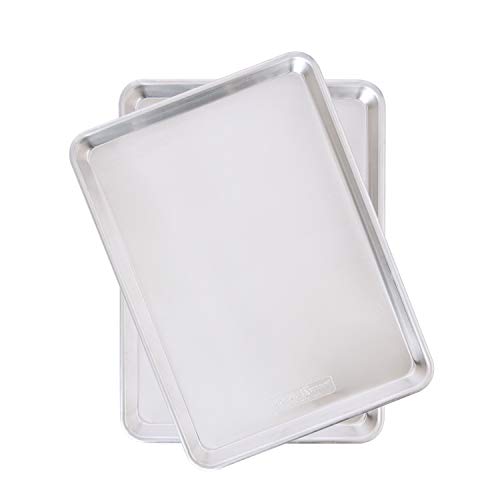
- Half-Sheet Pans: These are the industry standard for home kitchens. They fit most standard residential ovens and are versatile enough for everything from roasting chicken to baking large batches of cookies.
- Quarter-Sheet Pans: These are smaller, more manageable trays ideal for small tasks, such as making a single batch of brownies, toasting nuts, or preparing garnishes. They are also excellent for organizing small portions in a crowded oven.
- Jelly Roll Pans: Often confused with half-sheets, jelly roll pans typically have shallower sides. These are perfect for items that require high surface area exposure, like meringues or thin crackers, where you want maximum airflow around the food.
Rim Height and Application
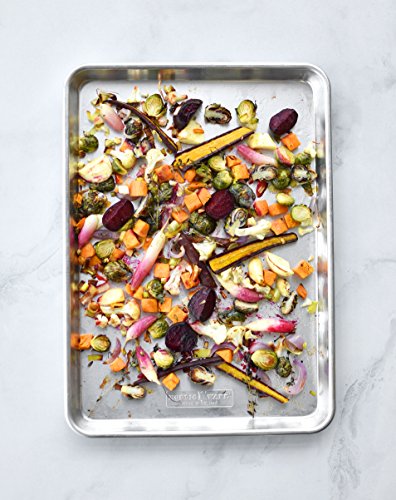
The height of the rim (the edge of the pan) significantly dictates how you use the sheet. Low-rimmed sheets are preferred for cookies and pastries because they allow heat to wrap around the sides of the food more effectively, promoting crispness. However, if you intend to use your baking sheet for sheet-pan dinners, roasted vegetables, or anything involving juices and oils, you must opt for a sheet with a higher rim. A shallow pan will result in spills and a messy oven floor, whereas a deeper rim keeps the juices contained and allows for more generous seasoning.
Maintenance and Longevity
To ensure your investment lasts for decades, pay attention to the finish. Many premium sheets come with a non-reactive surface that is easy to clean. However, avoid using abrasive steel wool or harsh chemical cleaners that can strip the finish or scratch the metal, as these micro-scratches can become breeding grounds for food particles. For long-term durability, hand-washing is always recommended over the high-heat, high-pressure environment of a dishwasher, which can eventually degrade the metal's integrity.
Summary Recommendation Logic
If you are building a collection from scratch, start with a high-quality half-sheet pan with a medium rim. This provides the most utility. If you find yourself frequently making small-batch snacks, add a quarter-sheet pan to your arsenal. Always prioritize weight and thickness over price. A sheet that stays flat in a 450-degree oven is worth far more than a cheap, thin alternative that fails during your first roast.