Understanding Hinge Mounting Styles
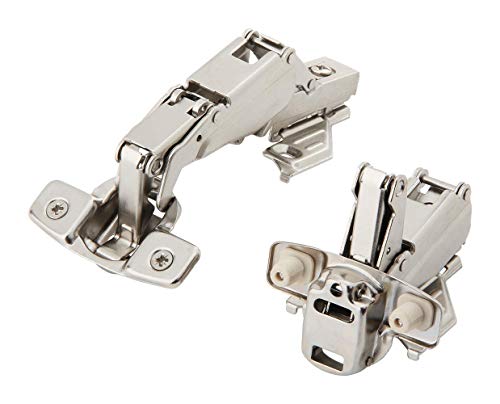
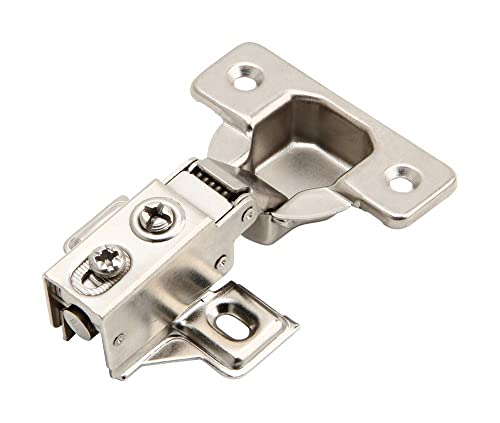
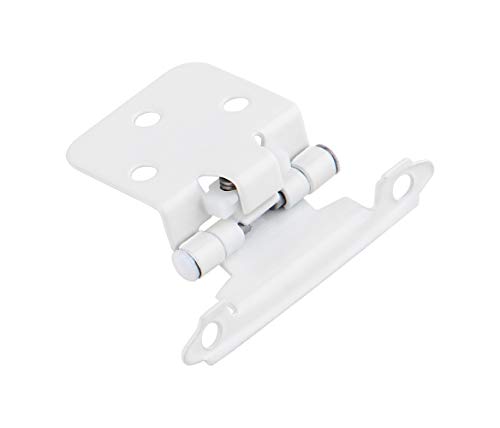
The first decision you must make is how the hinge will attach to your cabinet frame. In the world of Silverline hardware, you will typically encounter three primary mounting styles: overlay, inset, and face-frame. Overlay hinges are designed so that the cabinet door sits on top of the cabinet frame, covering a portion of the edge. This is the most common style for modern cabinetry. Inset hinges, conversely, are designed for doors that sit flush inside the cabinet opening, creating a sleek, high-end look but requiring much tighter tolerances during installation. If you are replacing old hardware, you must measure your current overlay amount (the distance from the edge of the door to the edge of the cabinet frame) to ensure the new hinge provides the same visual result. Face-frame hinges are specifically engineered for cabinets with a front wooden frame, whereas frameless (European-style) hinges are intended for modern, boxy constructions where the door attaches directly to the side panel.
Determating the Swing and Adjustment Capabilities
Not all hinges move in the same way. When browsing Silverline options, pay close attention to the 'swing' or 'opening angle.' While a standard 90-degree or 110-degree hinge is sufficient for most cupboards, specialized applications like corner cabinets or narrow utility closets may require wide-angle hinges that open to 165 degrees or more. Furthermore, look for hinges that offer 3-way adjustability. High-quality hardware allows you to adjust the door in three dimensions: depth (moving the door closer to or further from the frame), height (moving the door up or down), and lateral position (moving the door left or right). This adjustability is a lifesaver when your cabinet box isn't perfectly square, allowing you to align the doors visually without having to re-drill holes.
Material Composition and Load Capacity
The environment in which your cabinets live dictates the material you should choose. For kitchen and bathroom environments where humidity is a constant factor, prioritize hinges with high-quality plating or stainless steel components to prevent oxidation and squeaking. Beyond the material, consider the weight of your doors. A heavy, solid wood door exerts significantly more leverage on the hinge pins than a lightweight MDF or laminate door. Look for hinges rated for heavy-duty use if you are working with oversized pantry doors or solid oak panels. A hinge that is under-rated for its load will eventually sag, leading to misaligned doors and potential damage to the cabinet structure itself.
Soft-Close Mechanisms vs. Standard Friction
One of the most significant upgrades in modern hardware is the integration of soft-close technology. Silverline offers both traditional spring-loaded hinges and advanced hydraulic soft-close models. Standard hinges rely on the physical stop of the door to close, which can lead to slamming and noise. Soft-close hinges feature a built-in hydraulic damper that catches the door in the final inches of its arc, pulling it shut gently and silently. While these are slightly more expensive, they are highly recommended for households with children or for anyone seeking a premium, quiet kitchen experience. When choosing, ensure the soft-close mechanism is integrated into the hinge itself rather than being an aftermarket add-on, as integrated units tend to be more durable and smoother in operation.