Understanding Center-to-Center Measurements
The most critical technical factor when selecting pulls is the 'center-to-center' distance. This measurement refers to the space between the two screw holes that secure the pull to the cabinet face. If you are replacing existing hardware, you must measure this distance precisely to avoid drilling new holes, which can compromise the structural integrity and appearance of your cabinetry. If you are designing new cabinetry, you have the luxury of choosing any dimension, but standard industry increments (such as 3 inches, 96mm, or 128mm) are often easier for professional installers to work with. Always verify that the pull you select matches your existing drilling pattern or fits the intended scale of your new doors.
Material Composition and Finish Durability
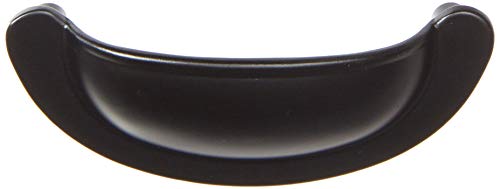
Gliderite pulls are often crafted from high-quality solid metals, which provide a substantial, heavy feel in the hand—a key indicator of luxury hardware. When choosing a finish, consider the environment of the installation. For high-moisture areas like bathrooms or coastal kitchens, look for finishes that are treated to resist oxidation and tarnishing. A brushed nickel or satin chrome finish is excellent for hiding fingerprints and water spots, whereas a polished brass or matte black finish offers a high-contrast, high-style look that requires more frequent cleaning. The depth of the plating or coating will determine how well the hardware stands up to the daily friction of hands opening and closing drawers.
Ergonomics and Grip Profile
A pull is a functional tool as much as it is a decorative element. When evaluating a pull, consider its 'projection'—how far it sticks out from the cabinet surface. A pull with a low profile might look sleek and minimalist, but if it is too shallow, it may be difficult to grasp, especially for children or those with limited dexterity. Conversely, a pull with a deep, rounded finger loop provides excellent leverage and an intuitive grip. For heavy drawers, such as those housing pot and pan sets, opt for longer pulls with a robust cross-section to ensure they don't flex or feel flimsy under pressure.
Style Integration and Visual Weight
The visual weight of a pull should complement the door style. For Shaker-style cabinets, which feature clean lines and recessed panels, hardware with slightly rounded edges or subtle textures can soften the look. For contemporary, flat-panel cabinets, linear and geometric pulls create a seamless, integrated appearance. If your cabinetry is highly ornate with raised panels, a more classic, detailed pull will harmonize with the existing woodwork. Remember that the hardware acts as the 'jewelry' of the room. If your countertops and backsplash are highly patterned, a more understated, monochromatic pull will prevent the space from feeling cluttered.
Proportional Scaling
One common mistake in hardware selection is choosing pulls that are too small for the surface area they occupy. A small pull on a large pantry door can look disproportionate and out of place. A good rule of thumb is to scale the length of the pull to the size of the drawer or door. Larger drawers benefit from longer pulls, which not only look more balanced but also allow for easier operation by providing multiple points of contact.