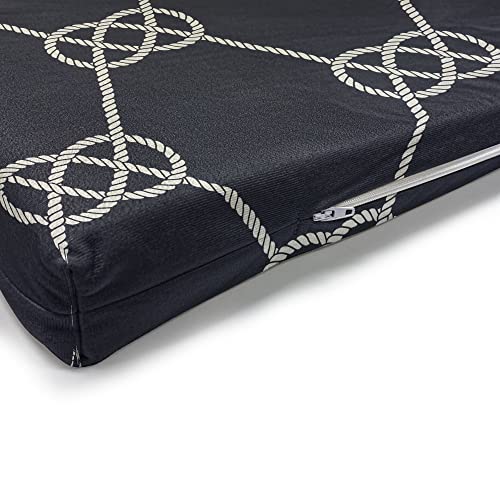
Assess Your Seat Dimensions and Shape
The most common mistake when purchasing chair pads is overlooking the geometry of the existing chair. Ambesonne offers a variety of shapes, primarily focusing on rectangular and square formats, but how they fit your specific chair is critical. If you are padding a standard dining chair, you want a pad that covers the seat area entirely without hanging over the sides, which can create a tripping hazard or look messy. For armchairs or larger lounge seats, a thicker, more substantial pad might be necessary to provide meaningful support. Always measure the width and depth of your seat before committing to a purchase to ensure the ties or non-slip backing can be properly utilized.
Material Density and Comfort Levels
When shopping for pads, you must distinguish between decorative covers and functional cushions. Some options are designed as thin, lightweight covers meant to protect the fabric of the chair while adding a pop of pattern. These are excellent for high-traffic areas where you want frequent pattern changes. Others feature internal foam or polyester batting designed to provide actual orthopedic relief. If you spend hours sitting in your chair for meals or work, prioritize pads with a higher density of filling. A pad that is too thin will bottom out quickly, leaving you feeling the hard surface of the chair underneath, which defeats the purpose of the upgrade.
Fabric Durability and Maintenance
Since chair pads are high-touch items, they are prone to spills, dust, and general wear. When evaluating Ambesonne options, pay close attention to the fabric composition. Polyester blends are often the gold standard for chair pads because they are resilient, resist wrinkling, and—most importantly—are typically machine washable. If you have children or pets, avoid delicate weaves that might snag easily. Look for printed patterns that are integrated into the fabric rather than applied on top, as these tend to hold up much better through repeated wash cycles without fading or cracking.
Attachment Mechanisms: Ties vs. Non-Slip
A chair pad is only effective if it stays in place. There are two primary ways these pads secure themselves: fabric ties and non-slip backing. Ties are the most secure method for wooden or metal chairs, as they allow you to wrap the strings around the chair frame, preventing the pad from sliding forward when you sit down. If you prefer a cleaner look without visible strings, look for pads with a specialized non-slip underside. However, be aware that non-slip grips can sometimes lose their effectiveness over time depending on the texture of your chair's upholstery. For maximum stability in a high-use dining room, a combination of a textured underside and sturdy ties is the ideal configuration.
Coordinating Design and Pattern Scale
Because Ambesonne is known for its diverse range of prints—from bohemian florals to classic geometric motifs—you should consider the scale of the pattern. In a small breakfast nook, a large, bold print can make the space feel energetic. In a formal dining room, a smaller, more repetitive pattern or a subtle texture may be more appropriate. Consider the 'visual weight' of the pad. A heavily patterned pad will become the focal point of the room, so choose a design that complements your existing tablecloths, rugs, and wall art rather than competing with them.