Understanding Pellet Size and Flow
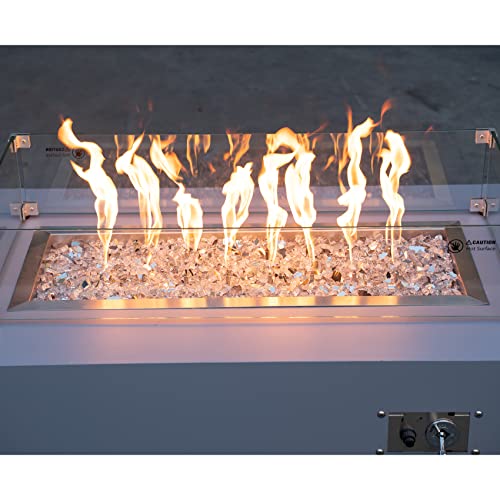
The most critical technical factor when purchasing glass pellets is the size of the individual pieces. Because these are categorized as 'pellets' rather than large tempered glass chunks, they are designed to flow easily through gas burner ports. If the pellets are too large, they may bridge or clog the burner, leading to uneven flame patterns or gas buildup. If they are too fine, they may settle too densely, potentially choking the oxygen supply to the flame. Look for a consistent grain size that matches your burner's specifications. Ideally, you want a medium-density pellet that creates a textured, undulating surface, which helps diffuse the light from the flames and creates a more natural, shimmering effect.
Color Theory and Ambiance
Decorative glass is, first and foremost, a design element. The color you choose will dictate the 'mood' of your patio area. Cool tones, such as deep blues, teals, and frosted whites, tend to create a calming, tranquil atmosphere, making them ideal for quiet relaxation or poolside lounging. Conversely, warm tones like amber, crimson, and gold mimic the natural glow of a traditional wood fire, providing a cozy, inviting energy that is perfect for social gatherings and evening entertaining. A pro-tip for design enthusiasts is to consider 'mixed media' approaches—using a base layer of dark, neutral pebbles with a top layer of vibrant colored pellets to add depth and dimension to your fire feature.
Material Integrity and Heat Resistance
Not all glass is created equal. For fire pit applications, you must ensure the pellets are made from high-quality, tempered glass designed specifically for high-temperature environments. Low-quality glass can crack or even shatter under the intense, localized heat of a gas flame, creating a safety hazard. Premium decorative pellets are engineered to withstand rapid thermal expansion and contraction. When browsing options, look for descriptions that emphasize 'tempered' or 'fire-rated' qualities. This ensures that the glass will maintain its clarity and structural integrity through hundreds of heating and cooling cycles without clouding or breaking down into fine dust.
Maintenance and Longevity
One of the primary advantages of using glass pellets over lava rocks is the ease of maintenance. Glass does not absorb moisture, meaning it won't harbor mold or mildew if left outdoors. However, because the surface is smooth, it can show dust, pollen, or debris more easily than rougher stones. When selecting your pellets, consider the environment where your fire pit sits. If you are near a pool or a heavily wooded area, you may want to choose darker or more multi-tonal pellets that can mask minor environmental buildup between cleanings. To keep your fire pit looking pristine, a simple rinse with water and a soft brush is usually sufficient to restore the original luster of the glass.
Summary of Recommendation Logic
When making your final decision, follow this hierarchy: First, verify that the pellet size is compatible with your burner's airflow requirements. Second, select a color palette that complements your existing outdoor furniture and desired mood. Third, prioritize tempered glass to ensure long-term safety and durability. By following this logic, you ensure that your fire pit remains both a functional heat source and a stunning visual focal point for years to come.