Understanding Material Composition and Coating
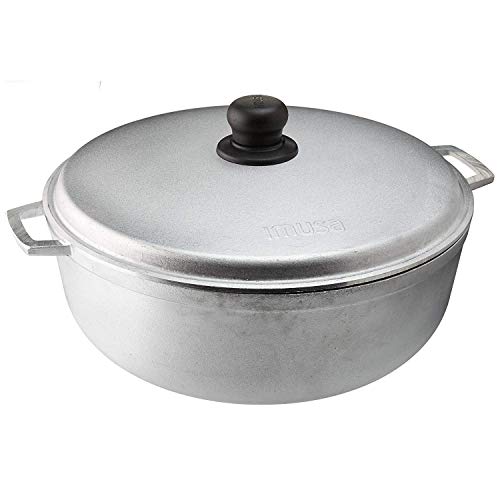
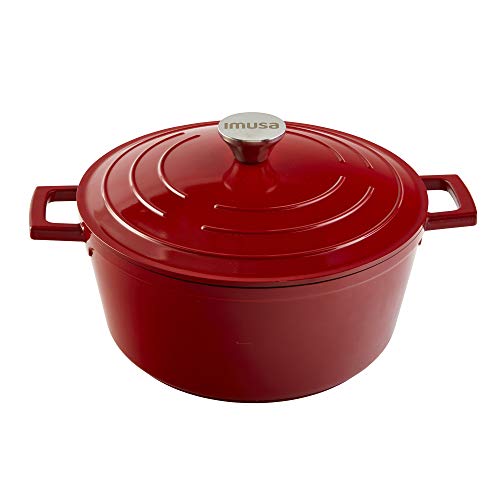
The most critical decision factor when selecting an Imusa USA Dutch oven is the material construction. Most models in this category utilize enameled steel or cast aluminum rather than the traditional heavy cast iron found in high-end boutique brands. This distinction is important: enameled steel offers excellent heat distribution and is generally lighter and easier to maneuver, making it ideal for those who may find traditional cast iron too cumbersome for daily use. However, you must consider the coating. A high-quality enamel coating prevents reactive foods—like tomato-based sauces—from imparting a metallic taste and makes the cleanup process significantly easier. When browsing, look for a smooth, even finish that promises non-stick properties or easy release, as this will dictate how much oil you need to use and how much effort you spend scrubbing after a meal.
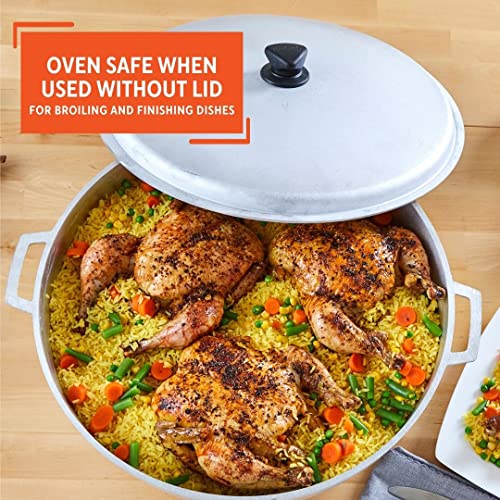
Dutch ovens are not one-size-fits-all. Your choice should be dictated by your household size and your most frequent cooking tasks. A small 2-quart model is perfect for individual portions, side dishes, or small batches of rice, but it will fail you if you are hosting a dinner party. For a standard family of four, a 4 to 6-quart capacity is the 'sweet spot,' offering enough volume for a hearty chili or a whole chicken. If you frequently cook for large groups or enjoy making massive batches of soup for meal prepping, aim for a 7-quart vessel or larger. Keep in mind that larger capacity means a larger footprint on your stovetop and more storage space required in your cabinets. Always measure your cupboard depth before committing to a massive pot.
Heat Distribution and Lid Fit
The primary job of a Dutch oven is to maintain a consistent, steady temperature. Because Imusa USA products often utilize thinner metal walls than traditional iron, you should look for designs that emphasize even heat distribution to prevent 'hot spots' that can scorch your food. Furthermore, pay close attention to the lid. A heavy, well-fitting lid is essential for moisture retention. In braising, you want the steam to circulate and drip back down into the food. A lid that is too light or fits loosely will allow moisture to escape, resulting in dry meat and reduced sauce volume. Look for lids with tight seals and ergonomic handles that stay cool to the touch.
Compatibility and Maintenance
Before finalizing your purchase, verify your stovetop compatibility. While many modern Dutch ovens work on gas and electric, some specialized models may not perform optimally on induction cooktops unless they have a magnetic base. Additionally, consider your maintenance style. While enamel is generally durable, it is susceptible to chipping if subjected to extreme thermal shock (moving a hot pot directly into cold water) or if metal utensils are used aggressively. If you prefer a low-maintenance lifestyle, prioritize models with wide handles for easy gripping and smooth interior surfaces that can be wiped clean with minimal agitation.