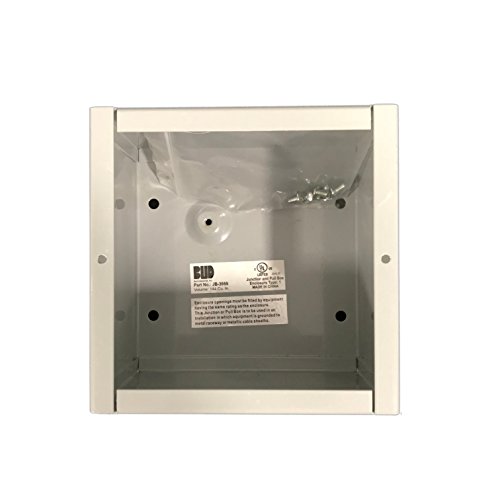
The most critical decision you will make is choosing between non-metallic (NM) and metallic boxes. Plastic or PVC boxes are the standard for most modern residential applications, particularly in wood-frame construction. They are lightweight, immune to corrosion, and do not require grounding via the box itself, as the ground wire is connected directly to the device. However, they can be more susceptible to damage if heavy-duty industrial wiring is involved.
Metal boxes, conversely, are the gold standard for commercial settings and environments where physical durability is paramount. Because metal is conductive, these boxes must be properly grounded to ensure the safety of the entire circuit. Metal boxes are also preferred when you need to use conduit systems, as they provide a much more secure attachment point for EMT (Electrical Metallic Tubing) or rigid conduit. If you are working in a damp or high-moisture area, ensure you select a material that resists oxidation.
Mounting Style and Installation Environment
How the box attaches to your structure dictates the type of box you need. For new construction, 'New Work' boxes are designed to be nailed directly to studs or joists before the drywall is installed. These offer the most stability because they are physically integrated into the framing.
If you are performing a retrofit or a remodel where the walls are already closed, you must look for 'Old Work' or 'Remodel' boxes. These typically feature 'ears' or 'swinging tabs' that grip the backside of the drywall to hold the box in place without needing access to the stud. Choosing the wrong mounting style can lead to a loose outlet that wobbles when you plug in a device, which eventually creates a fire hazard due to loose connections.
Volume Capacity and Depth
One of the most common mistakes in electrical DIY is selecting a box that is too shallow. Every electrical box has a cubic-inch capacity rating. This rating tells you how much space is available for wires, wire nuts, and the device itself. If you are installing smart switches, dimmers, or GFCI outlets, these devices are significantly bulkier than standard switches. A shallow box will lead to 'wire crowding,' which can cause heat buildup and make it nearly impossible to seat the device flush against the wall.
Always aim for a box with a higher volume capacity than you think you need. This provides 'service room,' making the installation cleaner and safer. If you are running multiple circuits through a single junction point, a deep-set box is non-negotiable.
Specialized Requirements: Waterproof and Weatherproof
If your project involves outdoor lighting, landscaping, or wet locations like a garage or bathroom, standard indoor boxes are insufficient. You must look for NEMA-rated weatherproof boxes. These often feature gaskets and specialized covers to prevent moisture ingress. Using an indoor-rated box in a damp environment is a recipe for short circuits and rapid corrosion of your electrical components.