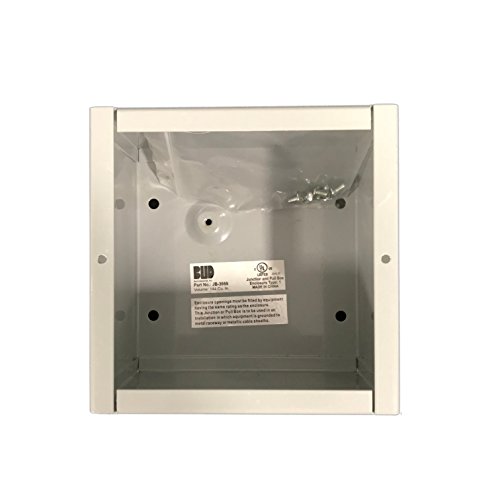
Material Composition and Environmental Resistance
The first and most consequential decision in selecting a Bud Industries enclosure is the material. This choice is dictated primarily by the environment where the box will reside. If you are working in a clean, indoor laboratory or a standard commercial setting, polycarbonate or ABS plastic enclosures offer excellent dielectric properties and cost-effectiveness. These are ideal for applications where weight is a concern and high-impact resistance is needed without the need for grounding.
However, if your application involves outdoor exposure, chemical washdowns, or extreme temperature fluctuations, you must look toward NEMA-rated polycarbonate or specialized fiberglass reinforced polyester options. For environments where moisture ingress is a constant threat, prioritize enclosures with high IP (Ingress Protection) ratings. Conversely, if you are housing sensitive electronic components that require shielding from electromagnetic interference (EMI), or if the box will be subject to significant physical trauma, a steel or aluminum enclosure is non-negotiable. Metal boxes provide the structural rigidity and conductive shielding necessary for high-performance industrial automation.
NEMA and IP Ratings Explained
In the world of Bud Industries, ratings are the language of protection. Do not simply buy a box because it looks sturdy. Verify its NEMA rating against your specific installation site. A NEMA 4X rating is the gold standard for many industrial users, as it indicates protection against corrosion, windblown dust, and hose-directed water. This is particularly vital in food processing or marine environments where salt spray or cleaning agents are prevalent.
If your application is strictly indoor and protected from moisture, a NEMA 1 or NEMA 12 rating may suffice, allowing you to save on costs. Always match the rating to the harshest foreseeable condition of your deployment. An underestimated rating leads to premature component failure, while an over-engineered rating results in unnecessary budget expenditure.
Mounting Styles and Installation Versatility
How the box attaches to your system is a key logistical factor. Bud Industries offers various mounting configurations, including internal mounting bosses for easy PCB installation and external mounting flanges for surface-to-surface attachment. If you are installing an enclosure on a vibrating machine, consider the thickness of the walls and the availability of reinforced mounting points to prevent stress fractures over time.
Additionally, consider the ease of cable entry. Look for enclosures that offer pre-drilled knockouts or sufficient wall thickness to accommodate custom gland entries. The ability to maintain a seal around these entry points is essential to preserving the enclosure's rated protection level.
Access and Security Requirements
Finally, consider how frequently the internal components will need maintenance. For quick-access applications, hinged covers or tool-less latching mechanisms are preferred. For high-security environments where tampering must be prevented, look for enclosures equipped with keyed locks or specialized fastening hardware. The choice between a screw-down cover and a hinged door will significantly impact the downtime required during routine inspections and repairs.