Material Composition and Layering
The most significant factor in a cover's performance is its material construction. You will typically encounter three tiers of protection. First, there are lightweight, breathable fabrics designed for indoor garage storage. These focus on preventing dust accumulation and moisture buildup. Second, there are mid-range synthetic blends that offer moderate UV protection for semi-outdoor use. Finally, there are heavy-duty, multi-layered covers designed for long-term outdoor exposure. When selecting a cover, look for a multi-layer construction that includes a soft inner lining—ideally a non-abrasive fleece or brushed microfiber—to prevent 'swirl marks' or micro-scratches caused by the cover shifting in the wind. A cover without a soft interior is essentially a sandpaper cloth waiting to happen.
Climate-Specific Protection
Your local weather dictates the technical specifications you should prioritize. If you live in a high-sunlight region, UV stabilization is non-negotiable. Without UV-resistant additives in the fabric, the cover itself will degrade and become brittle, potentially transferring melted polymers onto your clear coat. If you reside in a coastal or high-humidity area, salt-air resistance and advanced waterproofing are paramount. Look for seam-sealed construction to prevent water from seeping through the stitching. Conversely, if you live in a snowy climate, you need a cover that is heavy enough to resist wind uplift but maintains breathability to prevent condensation from freezing against the vehicle's surface.
Fitment and Security Features
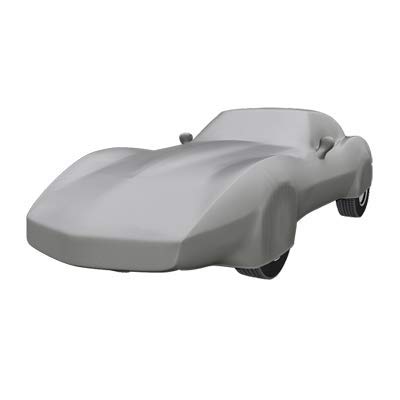
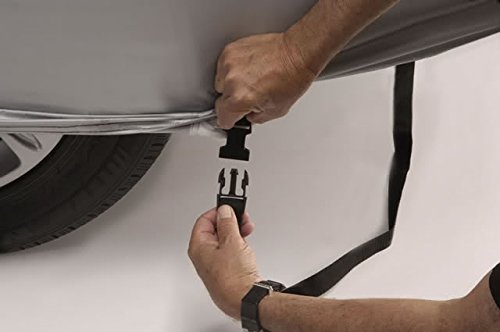
A cover that fits poorly is often worse than no cover at all. A loose cover will flap violently in the wind, creating constant friction against the paint. A cover that is too tight may put undue pressure on side mirrors or spoilers. The ideal choice is a custom-fit or semi-custom design that contours to the specific body lines of your vehicle. Pay close attention to the security hardware: look for reinforced elasticized hems, heavy-duty adjustable straps, or integrated buckle systems that anchor the cover to the wheels or chassis. These features ensure the cover stays seated even during high-wind events, maintaining the protective seal around the vehicle's perimeter.
Breathability vs. Waterproofing
This is the most common area of confusion for buyers. While it seems intuitive to want a 100% waterproof 'plastic' shield, total impermeability can be dangerous for your vehicle. If moisture (from humidity or dew) gets trapped under a non-breathable cover, it cannot escape, leading to mold, mildew, and potential oxidation of metal components. The gold standard is a cover that offers high water resistance on the exterior while maintaining high vapor permeability on the interior. This allows moisture to evaporate outward while preventing liquid rain from soaking inward.
Summary Recommendation Logic
When making your final decision, follow this logic: If the vehicle is stored in a climate-controlled garage, prioritize a soft, lightweight, dust-proof fabric. If the vehicle is stored outdoors year-round, prioritize a multi-layer, UV-stabilized, waterproof, and wind-resistant heavy-duty cover. Always verify that the interior lining is soft enough to be safe for your specific paint type, especially if you have a matte or ceramic-coated finish.