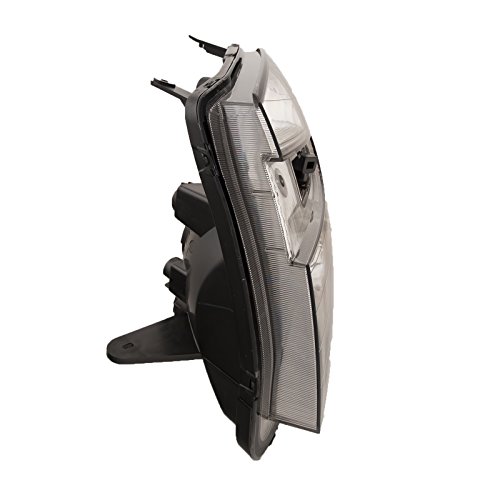
Understanding Assembly Types: OEM vs. Aftermarket Style
The first decision you must make is whether you want to stick to an Original Equipment Manufacturer (OEM) style or transition to an aftermarket design. OEM-style assemblies are designed to mimic the exact look of the lights that came with your vehicle from the factory. These are ideal if you are restoring a classic vehicle or if you prefer a clean, subtle appearance. On the other hand, aftermarket styling often introduces modern elements like smoked lenses, blacked-out internal housings, or integrated LED daytime running lights (DRLs). While these can give an older vehicle a contemporary edge, ensure that the 'smoked' or tinted lenses do not significantly reduce light output, as excessive tinting can compromise safety in heavy rain or fog.
Lens Material and Durability
The lens is the most vulnerable part of the assembly. Most modern assemblies use polycarbonate, a high-strength plastic that is much more impact-resistant than old-fashioned glass. However, polycarbonate is susceptible to UV degradation, which leads to that dreaded 'yellowing' or cloudiness. When browsing assemblies, look for those that feature premium UV-resistant coatings. A high-quality coating will prevent the lens from oxidizing under prolonged sun exposure, maintaining clarity for years. If you see an assembly that looks exceptionally cheap or thin, it likely lacks this protective layer, meaning you will be fighting haze issues within a single season.
Beam Pattern and Reflector Technology
A headlight assembly is not just a plastic box. It is a precision-engineered optical tool. The internal reflectors are designed to catch light from the bulb and project it in a specific pattern onto the road. When selecting an assembly, pay attention to the housing design. Projector-style assemblies use a lens to focus the light into a tight, controlled beam, which is excellent for reducing glare for oncoming drivers. Traditional reflector assemblies spread light more broadly. If you are upgrading from an older vehicle, moving to a projector-style assembly can provide a much sharper cutoff line and more concentrated light, significantly improving your ability to see road hazards at high speeds.
Compatibility and Installation Considerations
Before finalizing your purchase, verify the specific fitment for your vehicle's trim level. Many manufacturers change headlight configurations mid-year or between different trim packages (such as a base model versus a sport trim). A common mistake is purchasing an assembly that fits the vehicle model but lacks the correct electrical connectors for your specific wiring harness. Furthermore, consider the 'plug-and-play' factor. While most assemblies are designed for straightforward installation, some custom designs may require minor adjustments to your existing wiring or mounting brackets. Always prioritize assemblies that promise a direct fit to minimize the need for professional electrical work.
Light Source Integration
Finally, consider how the assembly interacts with your preferred bulb type. Some assemblies are specifically optimized for Halogen, while others are built to accommodate LED or HID (High-Intensity Discharge) conversions. If you plan on using LED bulbs, ensure the assembly has enough internal clearance and heat dissipation capabilities. LED bulbs generate heat at the base, and a poorly designed, cramped housing can lead to premature failure of both the bulb and the assembly's internal components.