Understanding Color Temperature (Kelvin)
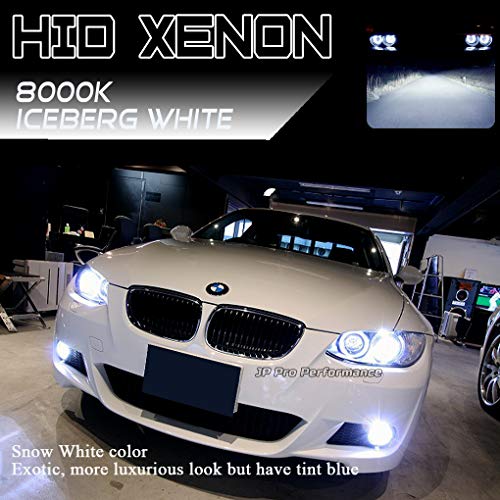
The most immediate difference you will notice in HID bulbs is the color of the light, measured in Kelvin (K). This is often the primary driver for consumer choice. Standard factory HIDs often hover around 4300K, which produces a warm, yellowish-white light that is excellent for visibility in rain, fog, or snow because warmer wavelengths penetrate atmospheric moisture more effectively. As you move up the scale, the light becomes cooler and more blue. 5000K to 6000K is widely considered the 'sweet spot' for most enthusiasts, providing a crisp, pure white light that mimics daylight. While going higher—such as 8000K or above—will give your vehicle a striking blue tint, be aware that extremely high Kelvin ratings can actually decrease your effective visibility in poor weather conditions and may lead to a 'washed out' beam pattern on the road.
Lumen Output vs. Beam Pattern
It is tempting to simply chase the highest lumen count listed on a box, but with HID technology, raw brightness does not always equate to better visibility. A bulb with excessive lumens that is poorly engineered can create 'scatter,' where the light spills outside the intended projector or reflector housing. This results in glare for oncoming drivers and a lack of focused light on the actual roadway. When selecting high-performance bulbs, look for those that emphasize stability and beam control. The goal is a high-intensity, concentrated beam that hits the road surface precisely where you need it, rather than a broad, hazy glow that obscures road markings.
Compatibility and Plug-and-Play Integration
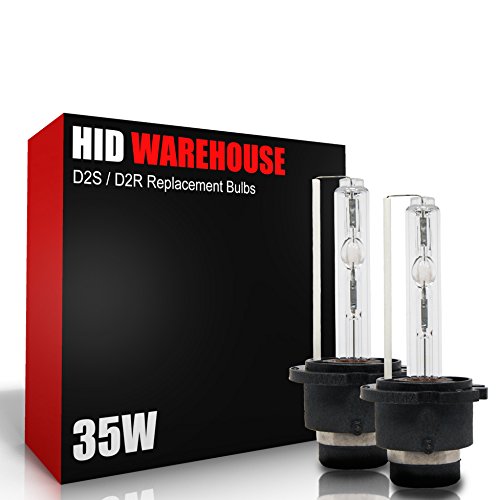
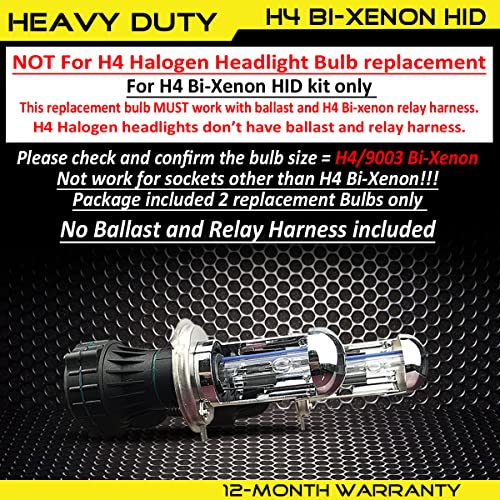
Before purchasing, you must verify the specific bulb base type required by your vehicle's headlight assembly. HID systems are more complex than halogens. They require a ballast to regulate the electrical current. Most high-quality HID replacement bulbs are designed to work with your existing factory ballasts, making them 'plug-and-play.' However, if you are upgrading to a significantly higher wattage than your vehicle originally specified, you may encounter issues with heat dissipation or ballast compatibility. Always ensure the bulb is designed for your specific vehicle application to avoid error codes on your dashboard or, worse, damage to your electrical system.
Longevity and Burn-In Periods
HID bulbs have a finite lifespan, typically measured in hours. High-output bulbs often trade a bit of longevity for increased brightness. When comparing options, consider the expected life cycle. Additionally, be aware that some premium HID bulbs require a brief 'warm-up' period of a few seconds to reach their peak brightness and color stability. If you want instant-on capability, look for bulbs that feature advanced gas mixtures designed for rapid stabilization. Investing in a reputable brand that offers consistent color stability over the life of the bulb will prevent the frustrating 'color shift' where bulbs turn purple or blue as they age.