Prioritize Legibility and Contrast
The primary function of house numbers is utility. If a delivery driver or an ambulance cannot read your address from a moving vehicle or under low-light conditions, the hardware has failed its most important task. When evaluating sets, consider the 'negative space' within the digits. Thin, overly stylized script fonts may look elegant, but they often blur into the background when viewed from a distance. Opt for sans-serif or bold serif styles that offer clear silhouettes. Furthermore, color contrast is non-negotiable. If your home features dark siding, avoid black or bronze numbers. Instead, lean toward brushed nickel, brass, or white. Conversely, light-colored stucco or siding requires darker, high-contrast metals to pop.
Material Durability and Weather Resistance
Because house numbers live on the front line of environmental exposure, material choice is a long-term investment. Avoid cheap plastic or thin-gauge alloys that may warp or fade under intense UV exposure. For most residential applications, solid brass, stainless steel, or heavy-duty aluminum are the gold standards. Aluminum is particularly excellent for coastal areas, as it is naturally resistant to corrosion from salt air. If you prefer a premium aesthetic, cast iron offers a heavy, substantial feel, but ensure it is properly powder-coated to prevent rust streaks from running down your siding. Always check if the finish is rated for outdoor use to prevent the dreaded 'pitting' or discoloration caused by rain and humidity.
Mounting Styles and Installation Complexity
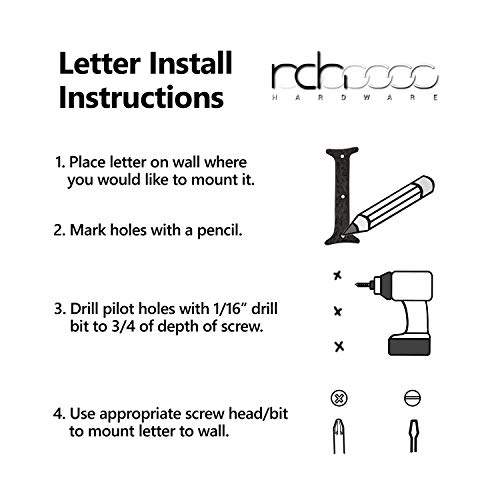
How the numbers attach to your home will dictate both the aesthetic and the effort required for installation. There are generally three mounting methods: stand-off mounting, flush mounting, and screw-through mounting. Stand-off mounts use small spacers to lift the numbers away from the wall, creating a sophisticated shadow effect that adds depth to your entryway. This is ideal for modern homes. Flush mounting sits directly against the surface, providing a cleaner, more integrated look. Before purchasing, consider your mounting surface. If you are attaching numbers to brick or stone, you will likely need a masonry drill bit and anchors, whereas wood or vinyl siding allows for much simpler installation. Ensure the hardware kit includes all necessary fasteners for your specific wall type.
Scale and Proportionality
A common mistake is selecting numbers that are too small for the architectural scale of the house. A massive entryway requires larger, more commanding digits to maintain visual balance. A good rule of thumb is to ensure the numbers are at least four inches tall for standard suburban homes, though six inches or more is preferable for larger estates or homes set far back from the road. Consider the spacing as well. Some sets come as individual digits, allowing you to customize the kerning (the space between numbers) to fit your specific layout, while others come on a pre-mounted plaque. Individual digits offer more versatility for creative placement, such as vertical stacking or staggered layouts.