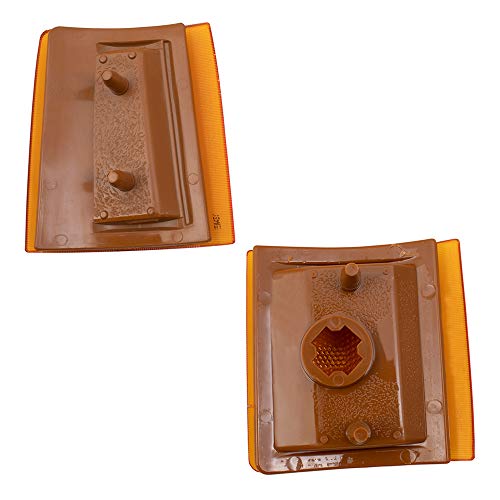
Understand Your Mounting Requirements
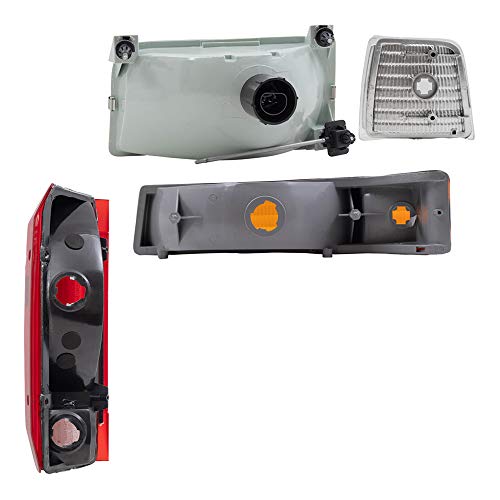
The first decision you must make when selecting a marker light assembly is how it will physically attach to your equipment. Marker lights generally fall into two categories: surface-mount and recessed-mount. Surface-mount assemblies are ideal for retrofitting older machinery or installing on flat surfaces where drilling deep into the chassis is not feasible. These typically use a flange or a gasket to create a seal against the body. Recessed-mount assemblies, on the other hand, are designed to sit flush within a pre-cut hole. This provides a much cleaner, aerodynamic profile and reduces the risk of the light being snagged by debris or branches. If you are building a new setup, recessed mounting is often preferred for its streamlined aesthetic and reduced wind resistance.
Lens Material and Durability
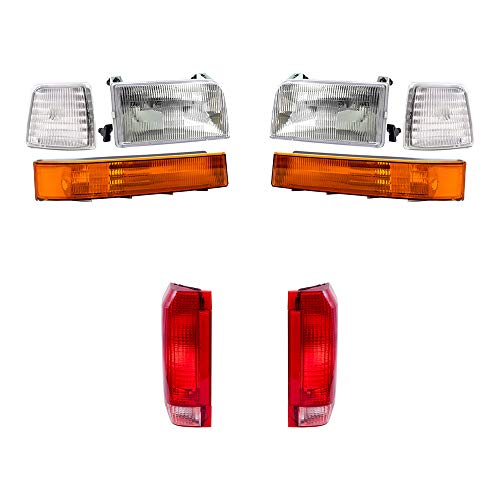
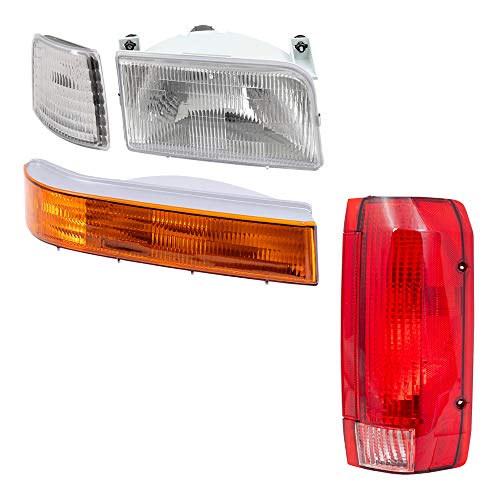
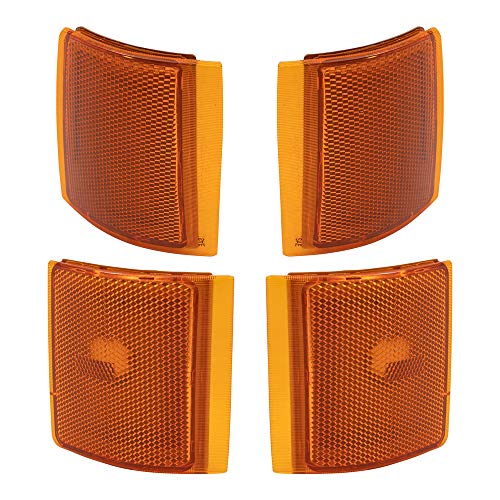
Because marker lights are often positioned on the outermost edges of a vehicle, they are highly susceptible to environmental impact. When comparing assemblies, look closely at the lens material. Polycarbonate is the industry standard for high-quality marker lights because of its impact resistance and ability to withstand UV exposure without yellowing or becoming brittle. Avoid cheaper acrylic alternatives if your equipment operates in harsh environments like construction sites or off-road trails, as acrylic is more prone to cracking under thermal stress or physical impact. Additionally, check the lens color. Amber is standard for side markers to indicate direction and width, while red is typically used for rear identification.
Electrical Specifications and Waterproofing
A marker light is only as reliable as its electrical connection. You must ensure the assembly is compatible with your vehicle's voltage system, whether you are running a standard 12V setup or a heavy-duty 24V commercial system. Furthermore, look for assemblies that feature integrated LED technology rather than traditional incandescent bulbs. LEDs offer significantly higher lumen output for better visibility, consume less power, and have a much longer operational lifespan. Crucially, verify the IP (Ingress Protection) rating. For outdoor industrial use, you should prioritize assemblies with high waterproof ratings to ensure that moisture, dust, and salt spray do not penetrate the housing and cause short circuits or corrosion.
Light Pattern and Visibility Range
Not all marker lights are created equal in terms of how they project light. Some assemblies feature a focused beam designed to signal presence from a specific angle, while others offer a wide-angle diffusion pattern. If your goal is to define the width of a wide-load trailer, a wide-angle diffusion pattern is essential to ensure the light is visible to drivers approaching from various perspectives. Consider the brightness level relative to your operating environment. If you operate primarily in high-glare daylight, you will need a high-intensity LED assembly to cut through the ambient light effectively.