Prioritize Material and Fabric Technology
The foundation of any great outdoor hat is its material. For high-intensity activities like hiking or climbing, look for lightweight, quick-drying synthetic blends such as nylon or polyester. These materials are engineered to wick moisture away from your skin, preventing that heavy, sodden feeling during a long excursion. If you prefer a more traditional aesthetic, high-quality treated cotton or canvas can offer durability, but ensure it has been treated with a water-resistant coating to handle sudden showers. For extreme heat, seek out fabrics with UPF (Ultraviolet Protection Factor) ratings. A hat with a UPF 50+ rating acts as a physical barrier, blocking a significant percentage of harmful rays from reaching your scalp and face.
Analyze Brim Width and Shape
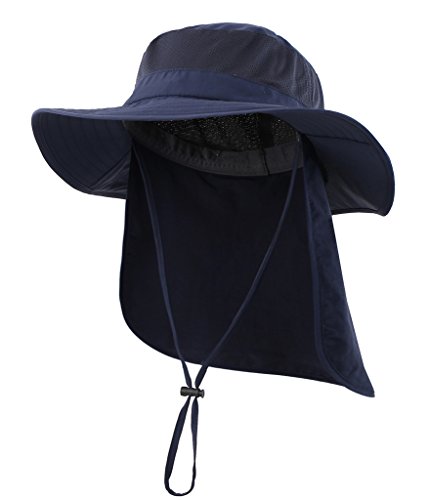
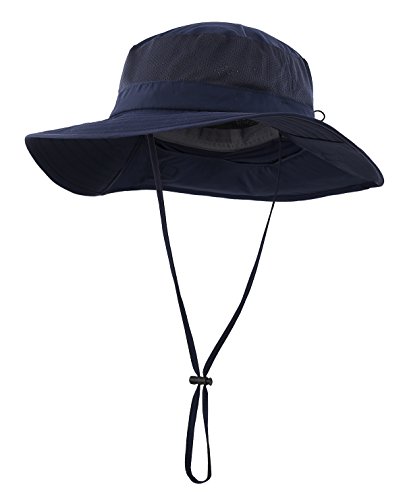
The geometry of your hat determines its effectiveness in different environments. A wide-brimmed hat, such as a classic safari or boonie style, provides 360-degree shade, protecting not just your eyes but also your ears and the back of your neck—areas frequently neglected and prone to sunburn. Conversely, a baseball-style cap with a structured bill is better suited for high-activity movement where wind resistance and a compact profile are necessary. If you are engaging in water sports or heavy perspiration, look for hats with adjustable chin straps or 'drawstrings' to ensure the wind doesn't sweep your gear away mid-activity.
Ventilation and Thermal Regulation
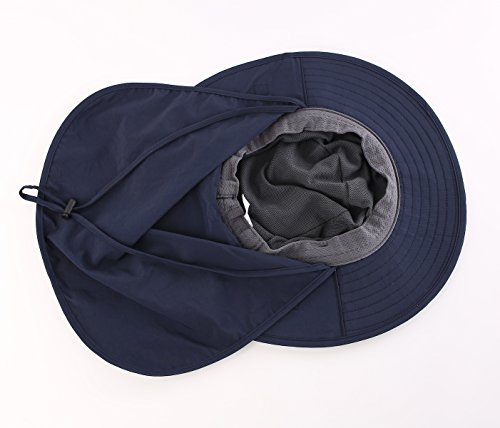
A common mistake in outdoor gear selection is choosing a hat that is too insulating. While you want protection, you also need a way for heat to escape. Look for hats that feature mesh side panels, laser-cut ventilation holes, or specialized 'breathable membranes.' These features allow for consistent airflow, which is vital for regulating your body temperature. In particularly humid environments, a hat that traps too much heat can actually accelerate fatigue. A well-ventilated hat allows for a micro-climate of airflow around the head, keeping you significantly cooler during peak sunlight hours.
Durability and Maintenance
Outdoor hats are subject to sweat, salt, dirt, and UV degradation. When evaluating a hat, inspect the stitching, especially around the brim and the attachment points of the strap. A hat that is machine washable or easily hand-rinsed is a major advantage for those who spend significant time in the wilderness. Furthermore, consider the packability of the hat. If you are a backpacker, a 'crushable' or soft-brimmed hat that can be stuffed into a side pocket without losing its shape is far superior to a stiff, structured crown that requires careful handling.
Summary of Recommendation Logic
To make your final decision, match the hat to your primary environment: Choose wide-brimmed, UPF-rated mesh hats for long periods of stationary sun exposure (fishing, gardening). Choose lightweight, moisture-wicking caps for high-movement activities (running, trekking). And choose treated canvas or waterproof synthetics for unpredictable weather conditions where rain protection is the priority.