Prioritize Inseam Length for Your Running Style
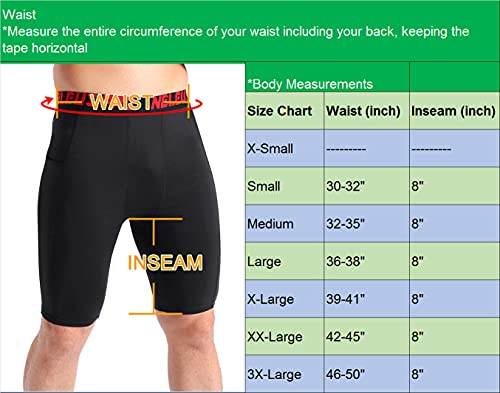
The most immediate decision you will face is the inseam length. In the world of running, the inseam dictates how much freedom of movement you have in your hips and thighs. If you are a sprinter or prefer high-intensity agility drills, shorter inseams (typically 3 to 5 inches) are ideal because they eliminate fabric resistance around the upper thigh. For long-distance road runners or those who prefer more coverage to prevent thigh chafing, a 7-inch inseam offers a middle ground that provides stability without feeling restrictive. When choosing, consider your natural stride. If you have particularly muscular thighs, an overly short inseam might feel like it is riding up, whereas a longer inseam might feel cumbersome during rapid leg turnover.
The Critical Role of the Inner Liner
One of the defining features of performance running shorts is the built-in liner. Most Neleus models feature a compression-style liner designed to provide support and prevent skin-on-skin friction. When evaluating a pair, look closely at the liner's material and construction. A high-quality liner should be made of a breathable, moisture-wicking fabric that moves with your body. Some runners prefer a loose-fitting brief liner for maximum airflow, while others opt for a compression liner to reduce muscle oscillation and prevent chafing. If you plan on wearing specialized compression gear underneath, you may want to look for liner-less options to avoid unnecessary bulk and heat retention.
Fabric Technology and Moisture Management
Running generates significant body heat, and the wrong fabric can lead to heavy, sweat-soaked shorts that feel like weights attached to your waist. Look for lightweight synthetic blends—typically polyester and spandex—that are specifically engineered for moisture management. The goal is 'wicking,' which refers to the fabric's ability to pull sweat away from your skin to the outer surface of the garment where it can evaporate quickly. Additionally, pay attention to ventilation features. Many high-performing shorts incorporate mesh panels in high-heat zones, such as the crotch or the sides of the waist, to facilitate airflow and keep your core temperature regulated during intense sessions.
Waistband Stability and Storage Solutions
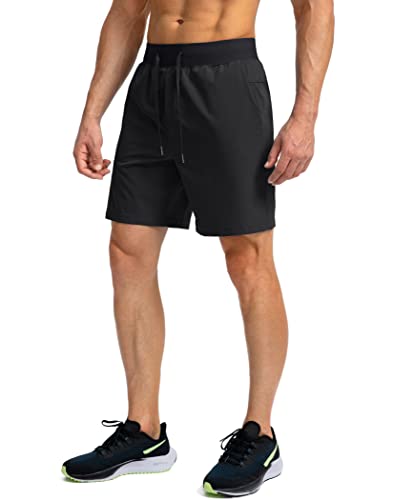
A common frustration for runners is the 'sliding waistband,' where shorts shift downward during a run. To avoid this, look for waistbands that feature an internal drawstring in addition to the elastic band. This allows you to customize the tension to your specific waist measurement. Furthermore, consider your storage needs. While minimalist runners may want zero pockets to save weight, many athletes require a secure place for keys, gels, or a phone. Look for integrated zippered pockets or low-profile side pockets that keep items close to your center of gravity, preventing them from bouncing rhythmically against your leg while you move.
Summary of Recommendation Logic
To make your final selection, follow this logic: If you are a distance runner focused on comfort and chafing prevention, choose a 7-inch inseam with a soft compression liner. If you are a gym-goer or sprinter focused on maximum range of motion, opt for the 3-inch or 5-inch inseam. Always prioritize moisture-wicking synthetic fabrics over cotton blends, and never compromise on a secure, drawstring-adjustable waistband if you plan on carrying any essentials during your workout.