Material Density and Porosity
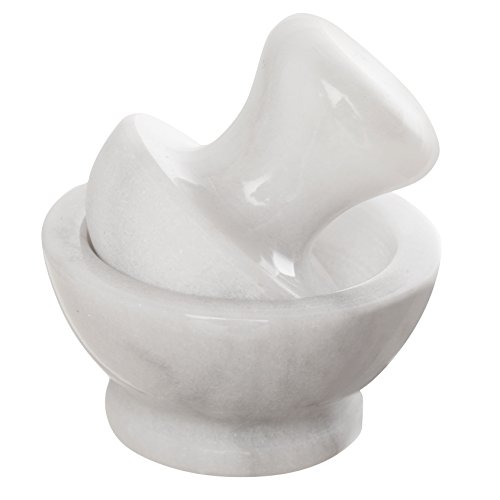
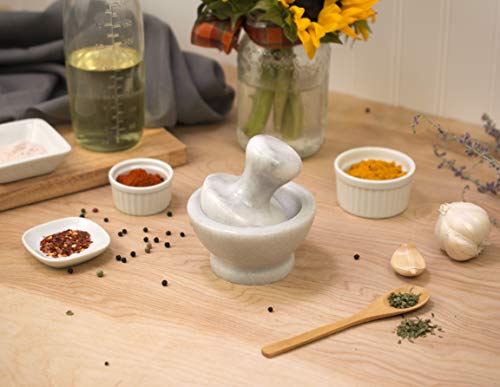
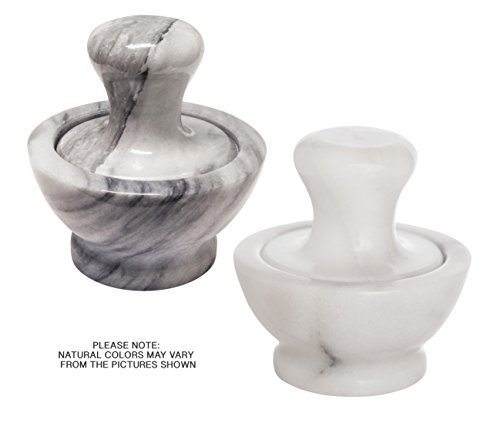
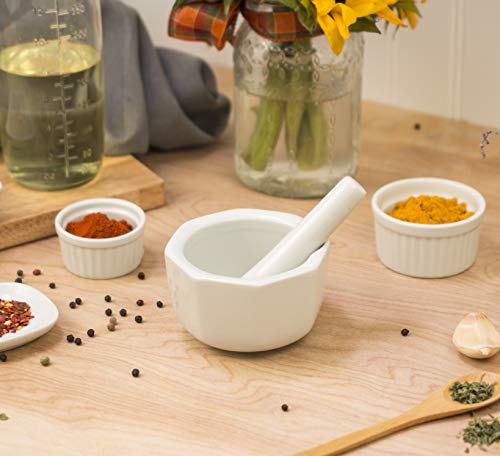
The most critical decision factor is the material of both the mortar and the pestle. Most high-end culinary sets are crafted from granite, marble, ceramic, or wood. Granite is the gold standard for heavy-duty grinding. Its natural, slightly abrasive texture is perfect for pulverizing hard spices like peppercorns, dried chilies, and cumin seeds. Because granite is dense and heavy, it provides the necessary stability to prevent the bowl from sliding during vigorous use. Marble, while aesthetically stunning, is slightly softer and more porous than granite. It is excellent for making delicate pastes like pesto or guacamole, where you want to bruise the ingredients rather than pulverize them into dust. Ceramic offers a middle ground, providing a smooth surface that is easy to clean, though it may lack the 'grip' required for the toughest spices. Always consider the porosity: a highly porous material may absorb the scents of strong garlic or onion, which can linger and affect future batches of more delicate ingredients.
Pestle Shape and Ergonomics
While the mortar holds the ingredients, the pestle does the heavy lifting. When evaluating pestles, look at the head shape. A rounded, bulbous head is ideal for a crushing motion, which is essential for releasing juices from herbs or garlic. A flatter, more cylindrical pestle is better suited for a circular grinding motion, which is necessary when you are trying to turn spices into a fine, uniform powder. Beyond the head, consider the grip. A pestle that is too thin may cause hand fatigue during extended prep sessions, while one that is too thick may be difficult to maneuver for fine tasks. The weight distribution is also vital. A pestle with a heavy head allows gravity to do much of the work, reducing the physical strain on your wrist and forearm.
Size and Capacity Considerations
The scale of your mortar should match your cooking style. If you primarily cook for a single person or enjoy making small amounts of fresh spice blends, a compact mortar (roughly 4 to 5 inches in diameter) is sufficient. However, if you frequently prepare large batches of salsas, hummus, or curry pastes, you will need a larger vessel with a wider base. A common mistake is buying a mortar that is too small, which leads to ingredients being flung out of the bowl during the grinding process. Conversely, a massive granite mortar can be incredibly cumbersome to clean and store. Look for a diameter that allows you to move the pestle in a circular motion without hitting the rim constantly.
Maintenance and Longevity
Finally, consider how the tool will age. Stone tools like granite and marble are incredibly durable but can develop microscopic cracks over years of heavy use if dropped. Wood is much more delicate and requires regular oiling to prevent cracking and to maintain a hygienic surface. When choosing, think about your cleaning habits. Stone and ceramic are generally dishwasher-safe (though hand-washing is often recommended to prevent chipping), whereas wooden pestles must never be submerged in water. A well-chosen mortar and pestle is an investment in flavor that should remain a staple in your kitchen for decades.