Defining Your Tabletop Aesthetic
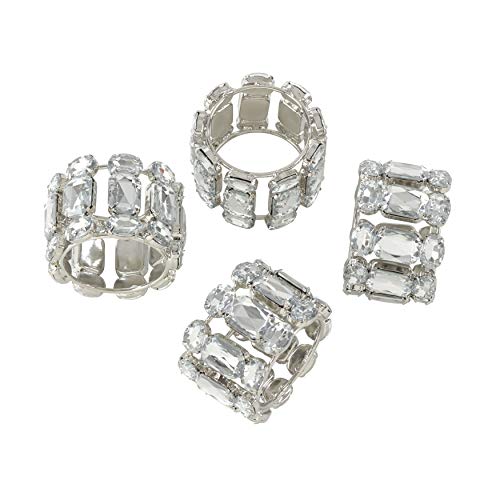
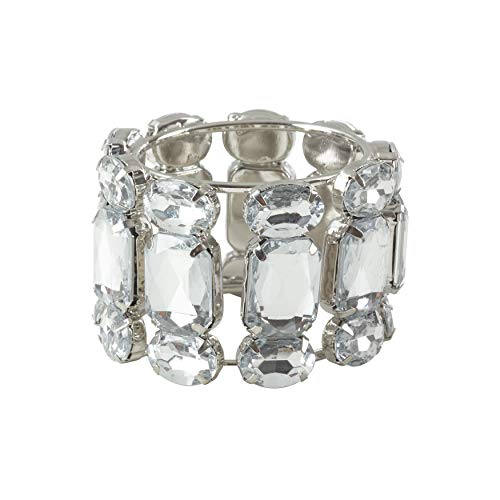
The first step in choosing napkin rings is identifying the overarching theme of your dining decor. Saro Lifestyle designs often lean toward a blend of organic textures and refined modernity. If your home features a lot of natural wood, stone, and linen, look for rings crafted from matte metals, woven fibers, or unpolished stones. These materials complement the tactile nature of organic decor. Conversely, if your style is more contemporary or 'glam,' seek out high-polish finishes, geometric shapes, and metallic tones like brushed gold or champagne silver. The goal is to ensure the rings act as a cohesive accent rather than a jarring interruption to your plate settings.
Material Integrity and Weight
One of the most significant indicators of quality in a napkin ring is its weight. Lightweight, hollow rings often feel flimsy and can slide easily around the table, losing their intended placement. When shopping, prioritize solid metal alloys, heavy-duty ceramics, or dense natural materials. A well-weighted ring provides a sense of luxury. When you pick it up, it should feel substantial in your hand. Furthermore, consider the durability of the finish. For rings intended for frequent use, look for electroplated or PVD finishes that resist tarnishing and fingerprints, ensuring they maintain their luster through multiple dinner parties.
Compatibility with Napkin Fabric
The physical dimensions and internal diameter of the ring are critical decision factors. Not all napkins are created equal. If you prefer thick, heavy-weight linen or damask napkins, you will need rings with a wider aperture to accommodate the bulk of the folded fabric. If the ring is too tight, it will distort the shape of the napkin and make it difficult for guests to use. On the other hand, if you use lightweight cotton or silk napkins, a smaller, more delicate ring might be more appropriate to prevent the fabric from slipping through. Always consider the 'fold style' you intend to use—whether it is a simple roll, a formal knot, or a complex fan—as this dictates the necessary interior space.
Versatility vs. Statement Pieces
When building your collection, it is wise to balance 'staple' rings with 'statement' rings. A set of neutral, minimalist rings in a matte finish can be used for almost any occasion, from casual weekday meals to formal dinners. These are your workhorses. However, investing in a few statement pieces—perhaps those with intricate sculptural shapes, unique textures, or bold metallic hues—allows you to instantly transform a standard table into an event-worthy setting. When choosing statement pieces, ensure they don't compete too aggressively with your centerpiece. They should complement the focal point, not overshadow it.
Maintenance and Longevity
Finally, consider the long-term care required for your selection. Metallic rings may require occasional polishing to prevent oxidation, while stone or wooden rings may need specific care to avoid water spotting or cracking. If you prefer low-maintenance elegance, opt for high-quality stainless steel or coated ceramics that can be easily wiped clean without specialized tools. Choosing pieces that align with your lifestyle ensures that your table setting remains beautiful for years to come.