Understanding Your Driving Profile
The first step in selecting Firestone tires is an honest assessment of where and how you drive. Firestone categorizes much of its passenger inventory based on 'lifestyle utility.' If your daily commute consists of long stretches of smooth interstate highway, you should prioritize touring tires. These are engineered with specialized tread patterns designed to minimize road noise and provide a 'plush' ride quality. Conversely, if your driving involves frequent stop-and-go city traffic or navigating poorly maintained urban streets, you will want a tire with reinforced sidewalls to better resist impact damage from potholes and debris.
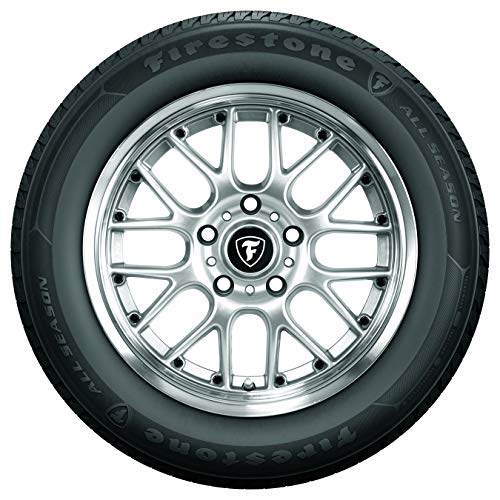
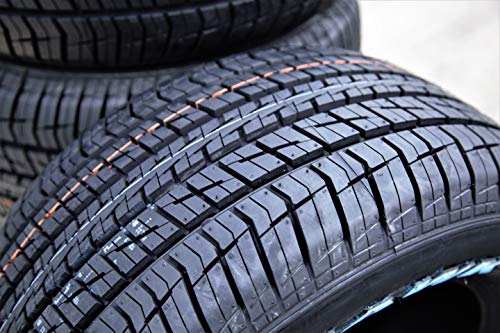
A critical decision factor for most drivers is the seasonal rating. Firestone is well-regarded for its 'All-Season' technology, which aims to provide a compromise between summer grip and winter traction. These tires feature silica-rich compounds that remain flexible in cooler temperatures while maintaining stability during summer heat. However, if you live in a region characterized by heavy snowfall or frequent ice, an all-season tire may not provide the biting edges required for safety. In such climates, you should look for tires with deeper siping—the small slits in the tread blocks—which act as tiny channels to evacuate slush and grip icy surfaces. If you reside in a strictly temperate climate, you might opt for a performance-oriented summer tire that offers superior cornering precision and shorter braking distances on dry pavement.
Treadwear Ratings and Longevity
One of the most significant long-term costs of tire ownership is replacement frequency. When browsing Firestone's catalog, pay close attention to the treadwear indicators and the expected mileage warranties. A tire designed for maximum performance often uses a softer rubber compound to increase grip. However, this softer material wears down much faster. If your goal is to maximize the interval between tire changes, look for models specifically marketed for high mileage and durability. These tires utilize harder compounds and more robust tread architectures that resist uneven wear, though you may sacrifice a small degree of extreme cornering agility in the process.
Key Technical Specifications to Verify
Before finalizing your purchase, ensure the tire specifications match your vehicle's manufacturer recommendations. Beyond the standard diameter and width, pay attention to the Load Index and Speed Rating. The Load Index ensures the tire can safely support the weight of your specific car model, while the Speed Rating indicates the maximum speed the tire can sustain under load. Even within a single brand like Firestone, a tire designed for a compact sedan will have vastly different structural characteristics than one designed for a heavy luxury sedan. Always cross-reference these ratings with your vehicle's door jamb sticker to ensure optimal safety and fuel efficiency.