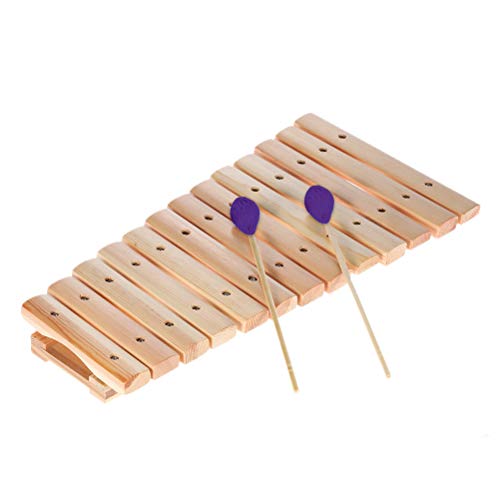
Understanding Head Composition and Core Density
The most critical decision factor in selecting mallets is the composition of the head. In the world of innovative percussion, we look beyond simple yarn or rubber. High-end mallets often utilize multi-layered cores where different densities are layered to create a 'balanced' strike. For example, a mallet with a hard inner core and a soft outer wrap provides a 'point' or attack without sacrificing the warmth of the sustain. When shopping, consider whether you need a hard mallet for rhythmic clarity and definition, or a soft mallet for blending and atmospheric textures. If you are playing mallet instruments like vibraphone, look for heads that offer a controlled rebound. If you are playing timpani, look for heads that provide a deep, fundamental pitch without excessive overtones.
Shaft Material and Ergonomic Dynamics
The shaft is the conduit of energy from your hand to the instrument. While traditional rattan remains a staple for its natural flexibility and shock absorption, innovative designs are increasingly utilizing carbon fiber and high-grade synthetic composites. Carbon fiber shafts offer a level of consistency and durability that organic materials cannot match, providing a predictable response that is essential for professional-grade precision. However, rattan provides a 'living' feel that many percussionists prefer for its organic weight distribution. When evaluating a mallet, hold it by the grip and assess the balance point. An improperly balanced mallet will cause hand fatigue during long rehearsals and can lead to inconsistent striking angles.
Weight, Mass, and Sonic Impact
Mass is the engine of percussion. The weight of the mallet head directly influences how much energy is transferred to the instrument's surface. A heavier mallet will move more air and produce a larger volume, but it requires more physical effort to control. Innovative mallets often feature 'tuned' weights, where the mass is distributed to favor specific frequencies. When selecting mallets, don't just look at the total weight. Look at how that weight is distributed. A mallet with a concentrated center of mass will provide a more focused attack, whereas a mallet with more distributed mass will produce a broader, more diffused sound. This distinction is vital when transitioning between solo repertoire and ensemble playing.
Durability and Longevity in Professional Settings
Percussionists know that mallets are consumables, but high-quality innovative mallets should offer longevity. Look for construction methods that prevent the head from detaching from the shaft—specifically, check for reinforced binding or specialized bonding agents used in synthetic mallets. If you are opting for yarn-wrapped mallets, inspect the tightness of the wrap. A loose wrap will quickly fray and lose its tonal characteristics, whereas a tightly wound, multi-layered wrap will maintain its shape and sound profile through hundreds of hours of play. Investing in mallets with superior construction ensures that your tonal consistency remains stable from the first movement to the last.