Materiality and Texture: The Tactile Experience
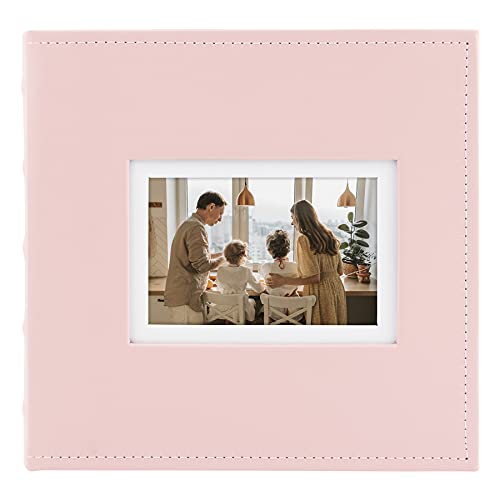
When selecting an album to house California-inspired art, the cover material is your first point of engagement. For landscape photographers focusing on the rugged textures of the Pacific Coast Highway, linen-wrapped covers offer a natural, organic feel that complements earthy tones. If your work leans toward the high-glamour, mid-century modern aesthetic of Palm Springs or Hollywood, consider vegan leather or high-quality buckram for a more polished, architectural look. The tactile quality of the album should mirror the mood of the photography contained within. A gritty, black-and-white series of urban San Francisco streets demands a durable, matte finish rather than a glossy, distracting surface.
Page Stock and Print Fidelity
The most critical technical decision involves the paper weight and finish. Art-grade albums should utilize heavy-duty, acid-free archival paper to prevent yellowing and degradation over time. For Golden State photography, which often relies on a wide dynamic range—from bright midday sun on Malibu beaches to deep shadows in redwood forests—look for 'lustre' or 'semi-matte' paper stocks. These provide the color saturation necessary for vibrant sunsets without the heavy glare of full gloss, which can obscure fine details in your compositions. If you are creating an album intended for heavy viewing, ensure the page thickness (measured in GSM or points) is substantial enough to prevent 'ghosting,' where the image from one side bleeds through to the other.
Binding Styles: Lay-Flat vs. Traditional
The binding method dictates how your viewer interacts with the art. Traditional sewn bindings are sturdy but create a 'gutter' in the center of the spread, which can cut off crucial elements of a wide-angle landscape shot. For professional art albums, we strongly recommend 'lay-flat' binding. This engineering allows the book to open completely flat without the pages tensioning toward the spine. This is essential for panoramic shots of the Sierra Nevada mountains or expansive ocean horizons, as it allows a single image to span across two pages seamlessly without losing detail in the center fold.
Size and Scale for Visual Impact
Scale changes the narrative. A small, handheld album feels like a personal journal or a travel diary, perfect for intimate street photography or candid shots of coastal towns. However, if your goal is to showcase the epic scale of the Golden State, larger format albums (12x12 inches or larger) are superior. Larger dimensions allow the viewer to get lost in the details of the topography and the nuance of the light. When choosing a size, consider your intended display space. An oversized art album is a statement piece for a living room, while a compact version is better suited for private reflection.
Archival Integrity and Longevity
Finally, do not overlook the importance of archival standards. California’s climate can vary from humid coastal air to dry desert heat. To protect your investment, ensure the album is constructed with pH-neutral materials. This prevents the chemical breakdown of the paper and ensures that the vibrant oranges of a sunset or the deep blues of the Pacific remain true for decades. An art album is not just a book. It is a time capsule of the Golden State's unique beauty.