Understanding the Dual Role: Rectifier vs. Regulator
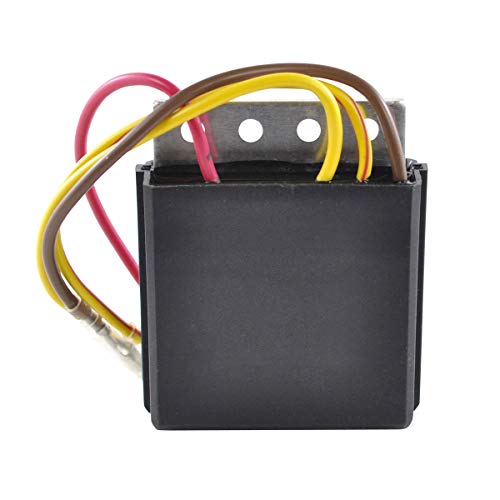
In many modern powersports applications, the rectifier and the voltage regulator are housed in a single unit. The rectifier's job is to convert AC to DC, while the regulator ensures that the voltage remains within a safe threshold (typically between 13.5 and 14.5 volts). When shopping for a replacement, verify whether you need a standalone rectifier or a combined regulator/rectifier unit. Using the wrong type can lead to overcharging, which boils your battery, or undercharging, which leaves you stranded. Always prioritize units that offer precise voltage regulation to prevent the 'voltage creep' that often destroys sensitive LED lighting and ECU components.
Heat Dissipation and Thermal Management
The conversion of AC to DC generates significant heat. This is the primary reason why rectifier failures occur in the first place. When evaluating potential replacements, look closely at the physical construction of the unit. High-quality rectifiers utilize heavy-duty aluminum heat sinks and robust internal thermal paste to pull heat away from the diodes. If you are selecting a unit for a high-performance engine or a vehicle used in hot climates, opt for a model with an oversized heat sink. A rectifier that runs too hot will suffer from 'thermal runaway,' where the internal resistance increases, causing even more heat and eventual component meltdown.
Build Quality and Diode Integrity
The heart of a rectifier is the set of diodes. Cheap, generic replacements often use low-grade silicon that cannot handle the rapid switching required by high-RPM engines. Look for units that emphasize high-amperage capacity and heavy-duty diode construction. A superior rectifier will have thick, corrosion-resistant wiring leads and sturdy mounting points. Since powersports vehicles are subject to intense vibration, ensure the internal components are securely potted or braced to prevent solder joints from cracking over time due to mechanical stress.
Plug-and-Play Compatibility vs. Custom Wiring
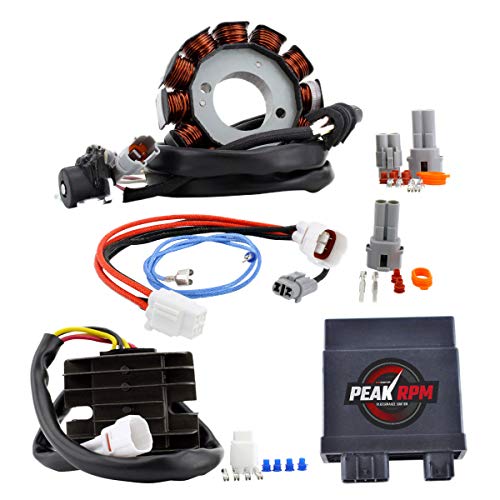
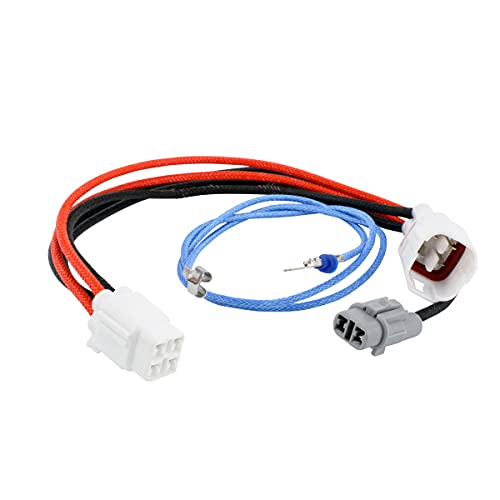
One of the biggest decision factors is the ease of installation. Many aftermarket rectifiers are designed as direct replacements, meaning they feature the exact connector pinout and mounting bracket locations as the original equipment. This 'plug-and-play' approach minimizes the risk of wiring errors. However, if you are upgrading to a high-output charging system, you may encounter units that require custom wiring. If you are not an experienced electrical technician, stick to units that match your existing harness configuration to avoid creating parasitic draws or short circuits.
Recommendation Logic: What to Prioritize
When making your final selection, follow this hierarchy: First, prioritize voltage stability. A rectifier that holds a steady voltage is better than one with a higher amperage rating that fluctuates. Second, prioritize thermal design. A larger heat sink is a direct indicator of longevity. Finally, prioritize connector matching to ensure a secure, low-resistance connection. Avoid units that lack detailed specifications regarding their maximum amperage or voltage regulation range, as these are often signs of inferior internal components.