Material Composition and Tactile Feel
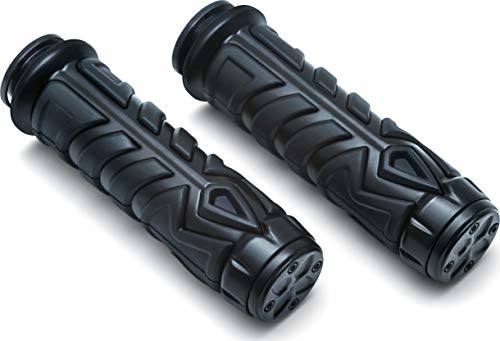
The first major decision factor is the material. Kuryakyn offers several distinct textures, each serving a specific riding style. Rubber-based grips are the gold standard for vibration isolation. If you ride a V-twin cruiser that produces significant high-frequency buzz through the handlebars, a high-density rubber grip will act as a primary dampener, absorbing those micro-vibrations before they reach your palms. On the other hand, thermoplastic elastomers (TPE) or specialized polymer blends are often used in grips designed for better weather resistance and grip longevity. If you frequently ride in wet conditions, look for materials with integrated micro-textures or grooves designed to channel water away from the contact patch, preventing your hands from slipping during a sudden downpour.
Ergonomics and Hand Fatigue
Standard factory grips are often cylindrical and uniform, which can lead to 'hot spots' or cramping during extended rides. When browsing Kuryakyn options, pay close attention to the profile of the grip. Ergonomic designs often feature a slight taper or a flared end that prevents your hands from sliding forward toward the levers. Some premium models incorporate a 'palm swell'—a slightly wider section in the center of the grip that allows your hand to rest in a more natural, relaxed position. This reduces the grip strength required to maintain control, which is vital for preventing numbness and fatigue on multi-day touring trips.
Diameter and Grip Circumference
A common mistake riders make is ignoring the diameter of the grip. A grip that is too thin can cause hand cramping because you have to squeeze harder to maintain a secure hold. Conversely, a grip that is too thick can make the controls feel bulky and reduce your ability to manipulate the brake and clutch levers with precision. If you have larger hands, look for 'fat' or oversized grip profiles. If you prefer a more nimble, sport-oriented feel, a slimmer diameter will provide more direct feedback from the front end. Always consider how the diameter of the new grip will interact with your existing glove thickness. A thick glove paired with a thick grip can make the controls feel cumbersome.
Compatibility and Installation Considerations
Before finalizing your selection, you must verify the internal diameter of the grips against your handlebar size. Most modern motorcycles use standard 7/8-inch (22mm) bars, but some cruiser models or custom builds may utilize different dimensions. Furthermore, consider the ease of installation. Some Kuryakyn grips are designed as direct replacements that slide onto the bar, while others may require the removal of existing bar ends or specialized adhesive. If your motorcycle features integrated electronic controls (switch housings) on the ends of the bars, ensure the grip length is compatible so that the housing can still be seated securely without interference.
Aesthetic Integration
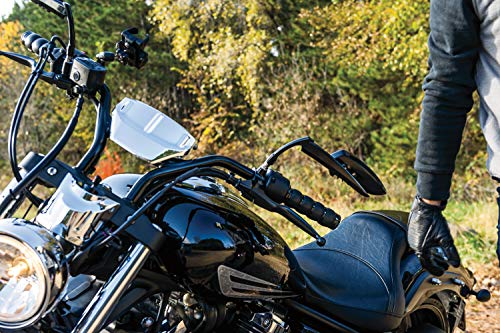
Finally, do not overlook the visual impact. Kuryakyn provides a wide array of finishes, from classic matte black to chrome accents and even patterned textures. Your grips should complement the overall theme of your motorcycle. If you are building a minimalist bobber, a clean, single-color rubber grip is best. If you are riding a highly polished touring bike, grips with metallic inserts or high-gloss finishes can tie the cockpit together for a cohesive, premium look.