Material Composition and Abrasion Resistance
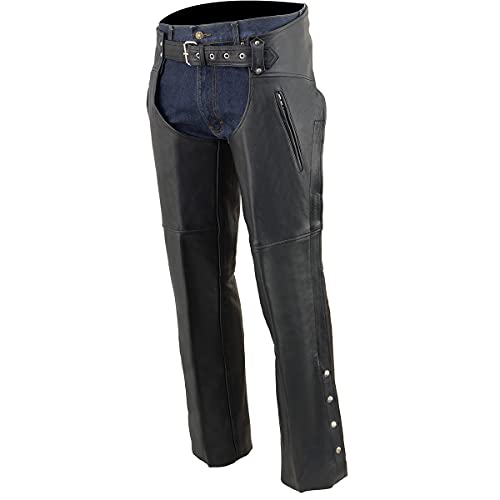
The most critical factor in choosing protective chaps is the material used in their construction. In the powersports world, you generally choose between heavy-duty leather, high-denier synthetic fabrics, and hybrid composites. Leather remains the gold standard for abrasion resistance. A high-quality cowhide or goatskin chaps will provide a sacrificial layer that grinds down during a slide rather than tearing against the pavement or dirt. However, for off-road enthusiasts, synthetic materials like Cordura or ballistic nylon are often preferred. These materials offer superior puncture resistance against thorns and branches while remaining significantly lighter and more breathable than traditional leather.
Protection Level and Impact Mitigation
Not all chaps are designed for the same level of threat. You must categorize your riding style to determine the required protection level. If your primary concern is 'road rash' from high-speed pavement slides, look for chaps with reinforced stitching and thick-gauge leather. If you are riding through dense forest or scrubland, focus on puncture resistance and debris shielding. Some premium models also feature integrated padding or internal pockets for armor inserts, which provide much-needed impact protection for the femur and shin areas in the event of a collision or a fall onto rocks.
Ergonomics and Fitment
Protective gear is useless if it is so uncomfortable that you refuse to wear it. The best chaps feature an adjustable fit system, typically utilizing heavy-duty Velcro straps or buckles at the waist, thighs, and ankles. This allows you to secure the chaps tightly enough to prevent them from shifting during a slide, yet loosely enough to allow for airflow. Pay close attention to the 'cut' of the chaps. Some are designed with a wider leg opening to accommodate bulky riding boots, while others are tapered for a more aerodynamic profile. A good pair of chaps should move with your body, not fight against your natural stride.
Breathability and Climate Control
Riding gear can quickly become a heat trap. When selecting chaps, look for features designed for thermal regulation. Perforated leather is an excellent option for summer riding, as the tiny holes allow air to circulate against your riding pants. For synthetic chaps, look for mesh venting panels in high-heat zones like the back of the knees. If you ride in varied climates, consider whether you need a modular system—chaps that can be layered over thermal base layers in the winter or worn over lightweight liners in the summer.
Durability and Maintenance
Finally, consider the long-term viability of your investment. High-quality chaps should feature heavy-duty hardware, such as brass zippers and reinforced eyelets, that won't corrode or snap under stress. Leather chaps will require periodic conditioning to prevent cracking, whereas synthetic chaps are generally easier to clean with simple soap and water. Always check the seam construction. Double or triple stitching at high-stress points is a hallmark of gear designed to withstand the rigors of powersports environments.