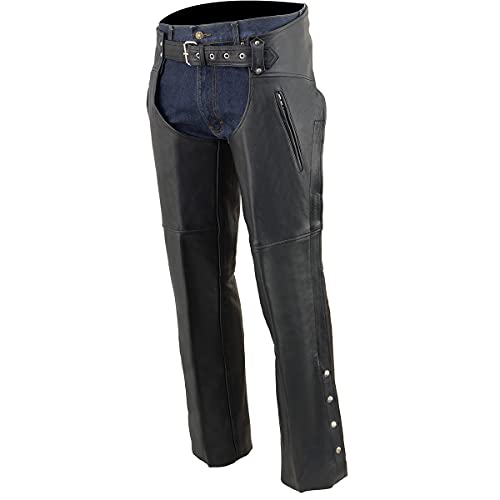
Prioritizing Leather Grade and Weight
The most important factor in any leather protective garment is the quality and thickness of the hide. For powersports chaps, you generally want to look for heavy-duty cowhide or buffalo leather. Cowhide is the industry standard due to its exceptional abrasion resistance, while buffalo leather often provides a slightly more supple feel without sacrificing toughness. When evaluating chaps, consider the 'ounce weight' of the leather. A heavier weight provides superior slide protection but can feel restrictive and hot in warmer climates. If you are a highway cruiser, a thicker, more rigid leather is ideal. However, if you engage in more technical riding or frequent stops, a mid-weight leather may offer a better balance of protection and mobility.
Construction and Reinforcement Zones
A pair of chaps is only as strong as its weakest seam. When inspecting protective chaps, pay close attention to the stitching. Look for heavy-duty, reinforced nylon or bonded thread that is designed to resist tearing under stress. High-quality chaps often feature double or triple stitching in high-impact zones, such as the hips and outer thighs. Furthermore, check for integrated padding or specialized lining. Some premium models include impact-absorbing inserts that offer an extra layer of defense against blunt force, which is a significant upgrade over basic single-layer leather options.
Fit, Attachment, and Layering Compatibility
One of the most common mistakes riders make is purchasing chaps without considering their primary riding pants. Chaps are designed to be worn over your existing trousers, meaning the fit must be accommodating yet secure. You need to ensure there is enough room for your jeans or riding pants without creating excessive bulk that hinders your ability to operate foot controls or shift gears. Look for adjustable features such as wide leather belts, heavy-duty side snaps, or elasticated waistbands that allow you to customize the tension. A secure fit is vital. If the chaps shift or ride up during a maneuver, they can become a distraction or even a safety hazard.
Climate Control and Comfort Features
Riding in leather can lead to overheating, especially during summer months. To combat this, look for chaps that incorporate ventilation features. Perforated leather panels or mesh-lined interior sections can significantly improve airflow, making the gear more versatile across different seasons. Additionally, consider the interior lining. A moisture-wicking or quilted lining can prevent the leather from sticking to your skin and help regulate temperature. If you plan on long-distance touring, comfort features like ergonomic knee shaping and articulated joints will prevent the leather from feeling overly stiff during long hours in the saddle.
Decision Logic: How to Choose
To make your final decision, categorize your riding style first. If you are a long-distance tourer, prioritize comfort, ventilation, and weatherproofing. If you are focused on urban riding or high-speed highway travel, prioritize maximum abrasion resistance and heavy-duty leather weight. Always test the range of motion by simulating a seated riding position before finalizing your purchase to ensure the chaps do not restrict your leg movement.