Material Integrity and Food Safety
Not all plastics are created equal. When selecting a salad bowl, the most critical factor is the grade of the material. You should look for BPA-free constructions to ensure that no harmful chemicals leach into your fresh produce, especially if you plan on serving dressings that might sit in the bowl for an extended period. High-quality polymers offer a level of clarity that mimics glass, allowing the vibrant colors of your vegetables to shine through. If you prefer a more matte, sophisticated look, heavy-duty melamine-style plastics provide a substantial weight that feels premium in the hand without the risk of shattering.
Capacity and Geometric Design
The shape of your bowl dictates how well you can actually toss a salad. A shallow, wide bowl is excellent for presentation and easy access to ingredients, making it ideal for family-style serving. However, if you are making a large Caesar salad with bulky croutons and large leaves, you will need significant depth to prevent ingredients from spilling over the edges during the tossing process. Consider the 'tossability' factor: a bowl with flared sides allows for more vigorous mixing, whereas a straight-sided bowl might trap greens at the bottom, making it harder to distribute dressing evenly.
Durability and Maintenance Requirements
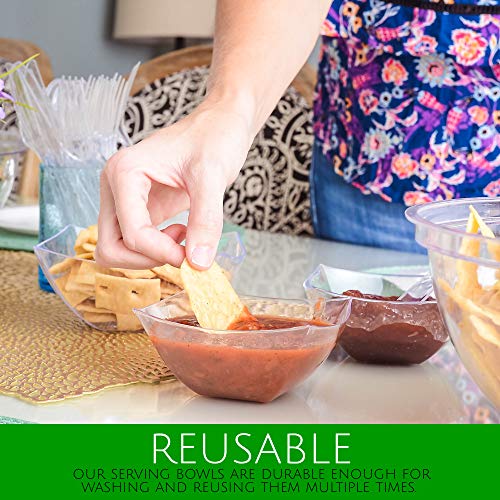
One of the primary reasons to opt for a plasticpro bowl is its resilience. However, you must decide how you intend to clean it. While many high-quality plastic bowls are labeled as dishwasher safe, it is important to note that the high heat of a dishwasher cycle can eventually cause micro-scratches or cloudiness over time. If you prioritize longevity and a crystal-clear finish, hand-washing is always the safer bet. Furthermore, check for stain resistance. Acidic ingredients like balsamic vinaigrette or beet-based dressings can sometimes leave permanent discolorations on lower-grade plastics, so investing in a high-density, non-porous surface is a wise long-term move.
Stackability and Storage Efficiency
Kitchen real estate is precious. If you are building a collection of salad bowls for different meal sizes, look for nesting capabilities. A set of bowls that tapers perfectly into one another will save significant cabinet space. Additionally, consider whether you need a bowl that doubles as a storage container. Some designs feature tight-fitting lids, allowing you to toss a salad in the morning and store the leftovers directly in the refrigerator without transferring them to a different container. This multi-functionality adds immense value to your kitchen workflow.
Aesthetic Versatility
Finally, consider the setting. If these bowls are strictly for meal prep and quick lunches, utility should be your only metric. But if you intend to use them for hosting, look for finishes that complement your tableware. Transparent bowls offer a contemporary, minimalist vibe that works with any decor, while colored or patterned bowls can serve as a centerpiece for themed outdoor parties or picnics.