Material Grade and Food Safety
Not all plastics are created equal. When shopping for serving bowls, the most critical factor is the grade of the polymer used. For long-term use, look for BPA-free materials that are specifically rated for food contact. High-density plastics offer a more substantial, premium feel that mimics the weight of melamine, making them ideal for formal dinners. If you are looking for something more utilitarian, lightweight polypropylene is excellent for casual gatherings. Always check if the material is designed to withstand temperature fluctuations. A bowl used for hot pasta salads should have a higher heat resistance rating than one intended solely for chilled fruit displays.
Durability and Impact Resistance
The primary advantage of opting for plastic over glass is impact resistance. However, 'plastic' covers a wide spectrum. If your primary use case involves outdoor dining, picnics, or parties with children, prioritize bowls with high impact strength. You want a material that can withstand being bumped on a crowded buffet table or accidentally dropped on a patio without cracking or splintering. Avoid thin, brittle plastics that feel flimsy to the touch, as these are prone to staining and warping over time. A high-quality serving bowl should feel rigid and maintain its structural integrity even when filled to capacity with heavy ingredients like potato salad or grains.
Aesthetic Versatility and Finish
Modern plastic serving ware has moved far beyond the translucent, 'disposable' look of the past. To ensure your bowls complement your decor, consider the finish. Matte finishes tend to look more sophisticated and hide fingerprints and scratches better than high-gloss surfaces. If you are aiming for a contemporary, minimalist aesthetic, opt for solid, neutral tones. For a more traditional or rustic feel, look for bowls with textured patterns or wood-grain imitations. The depth of color also matters. High-quality dyes prevent the bowl from looking 'washed out' and ensure the color remains vibrant even after multiple washes.
Maintenance and Practicality
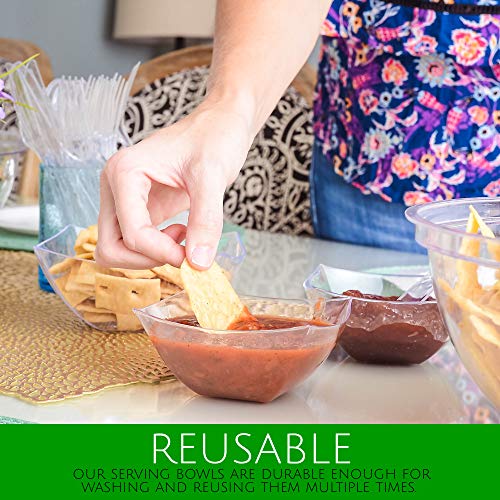
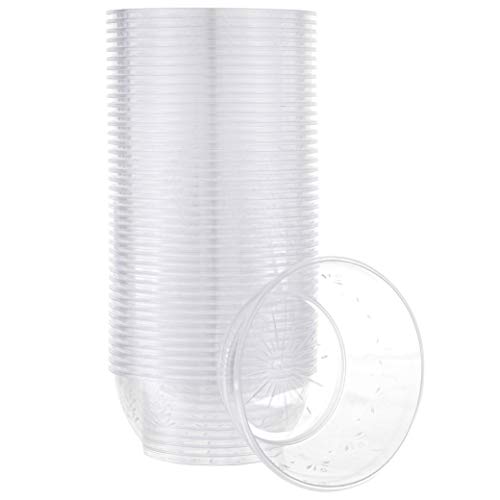
Before committing to a set, consider your cleaning routine. While many high-grade plastic bowls are labeled as dishwasher safe, it is important to note that the heat from a dishwasher's drying cycle can cause some plastics to warp or become cloudy over time. If you want to maintain a 'like-new' appearance, hand-washing is often the safer route. Additionally, consider the nesting capability of the bowls. If you have limited cabinet space, a set that nests tightly is a massive advantage for organization. Lastly, pay attention to the rim design. A flared rim makes it easier to grip and pass the bowl around a table, while a flat rim offers a more streamlined, modern silhouette.
Recommendation Logic
When making your final decision, match the bowl to the environment. For formal indoor hosting, prioritize heavy-duty, matte-finish melamine-style bowls. For frequent outdoor use and casual catering, prioritize lightweight, stackable, and highly impact-resistant polypropylene. Always prioritize food-safe, BPA-free certifications to ensure your serving ware is as healthy as it is beautiful.